Extreme Deep Cleaning in London for Severely Neglected and High Risk Properties
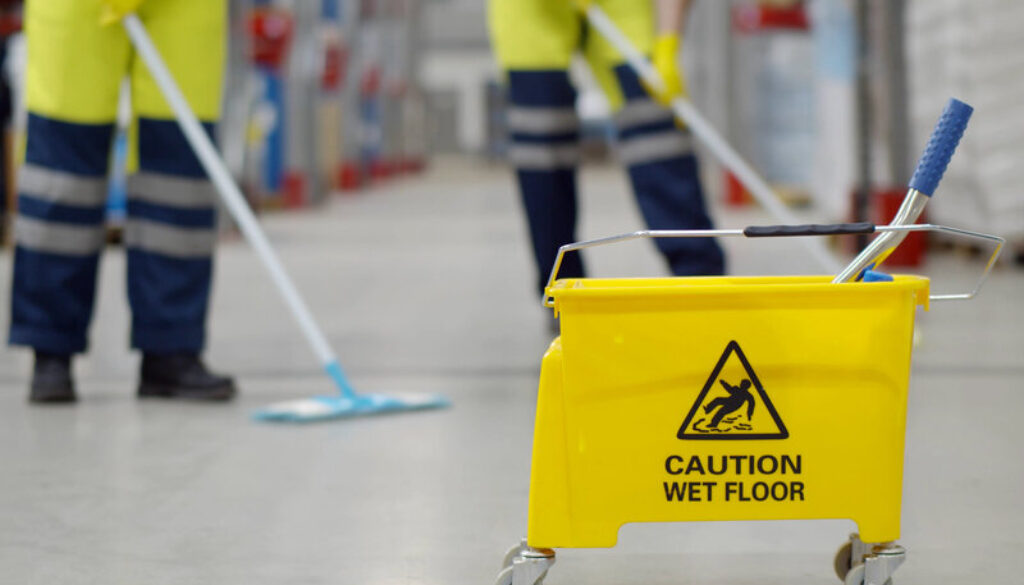
Some properties require more than standard deep cleaning. Across London, there are situations where homes and premises reach a level of neglect or contamination that demands extreme deep cleaning. This service is designed for environments where hygiene has significantly declined, surfaces are heavily soiled, and safety may be compromised.
Extreme deep cleaning in London is commonly required after long term neglect, hoarding related conditions, illness, vulnerability, safeguarding concerns, or complex living circumstances. These properties often need structured intervention, specialist methods, and careful handling to restore safe living conditions.
Professional providers such as Vamoose Cleaning Services deliver extreme deep cleaning in London with a focus on hygiene restoration, safety improvement, and discreet support in sensitive environments.
This article explains what extreme deep cleaning involves, how it differs from standard deep cleaning, when it becomes necessary, and how specialist teams restore high risk properties effectively.
What Is Extreme Deep Cleaning in London
Extreme deep cleaning in London goes beyond traditional deep cleaning. It is designed for properties where grime, waste residue, bacteria build up, and contamination have accumulated over a prolonged period.
This service may be required when:
• A property has been uncleaned for months or years
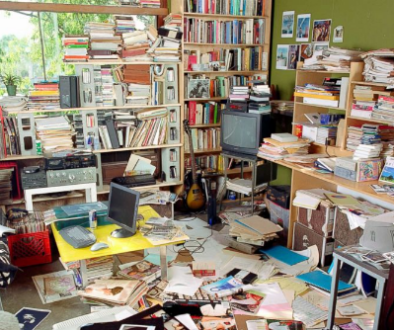
• Hoarding has restricted access, airflow, and cleaning ability
• Kitchens and bathrooms are heavily contaminated
• Strong odours suggest hidden waste, decay, or long term residue
• Surfaces are affected by mould or damp related contamination
• Vulnerable residents have been unable to maintain hygiene
Extreme deep cleaning focuses on restoring safe living standards, not just improving appearance.
How Extreme Deep Cleaning Differs from Standard Deep Cleaning
While deep cleaning targets build up dirt and grime, extreme deep cleaning in London is used for severe environments where hygiene risks are higher and contamination may be present.
Standard deep cleaning usually includes:
• Cleaning kitchens and bathrooms thoroughly
• Removing grease and grime
• Cleaning neglected surfaces and hard to reach areas
Extreme deep cleaning often includes:
• Removal of severe grime and embedded residue
• Intensive cleaning of heavily contaminated areas
• Stronger focus on sanitising high risk surfaces
• Deeper odour treatment linked to long term neglect
• Addressing damp and mould affected zones
• Restoring properties to safe occupancy standards
The key difference is the severity of the environment and the depth of hygiene restoration required.
When Extreme Deep Cleaning in London Is Necessary
Extreme deep cleaning becomes essential in several common London property situations.
Long Term Property Neglect
Properties left unattended or unmanaged can develop hygiene risks that require structured intervention rather than basic cleaning.
Hoarded Environments
After hoarder clearance, extreme deep cleaning is often needed to restore surfaces hidden under clutter and address odours or contamination.
Illness and Vulnerability
When residents are unable to maintain hygiene due to illness, disability, or emotional distress, extreme cleaning helps stabilise the home and restore safety.
Before Care or Support Visits
Care providers may require properties to meet hygiene standards before services can begin or resume, especially in safeguarding related contexts.
Tenancy and Housing Compliance
Housing associations and landlords may request extreme deep cleaning when properties fall below acceptable standards and require restoration before re occupation.
In each scenario, extreme deep cleaning in London helps restore the property to safe, sanitary, and functional living conditions.
The Process of Extreme Deep Cleaning
Extreme deep cleaning follows a structured and risk aware process to ensure safe outcomes.
Step 1: Detailed Assessment
The property is evaluated to identify contamination levels, hygiene risks, and the most urgent priority areas.
Step 2: Safety Planning
Where necessary, protective measures are prepared and high risk zones are prioritised to ensure controlled cleaning.
Step 3: Intensive Cleaning Phase
Heavily soiled surfaces are treated using appropriate methods. Kitchens, bathrooms, floors, fixtures, and neglected areas are cleaned thoroughly, including areas that have not been accessed for long periods.
Step 4: Sanitising and Hygiene Restoration
Surfaces are disinfected to reduce bacteria and restore hygiene standards, with close attention to high touch zones and hygiene critical spaces.
Step 5: Odour Reduction
Persistent odours linked to long term neglect, waste residue, or poor ventilation are treated to support a safer indoor environment.
Step 6: Final Inspection
The property is reviewed to confirm restored hygiene, safe access, and acceptable living standards.
Vamoose Cleaning Services follows this process when delivering extreme deep cleaning in London properties that require careful handling.
Health and Safety Importance of Extreme Deep Cleaning
Extreme deep cleaning in London is often requested when hygiene risks become serious and begin to impact wellbeing.
Common risks in severely neglected properties include:
• Bacterial contamination in kitchens and bathrooms
• Mould affecting indoor air quality
• Strong odours caused by long term residue or waste
• Slip and trip hazards due to neglected flooring and clutter zones
• Poor ventilation and trapped dust build up
Professional cleaning reduces these risks and supports safe re occupation.
Extreme Deep Cleaning in Sensitive Situations
Some extreme cleaning cases involve emotional complexity. Properties affected by mental health challenges, safeguarding issues, or vulnerability require discretion and patience.
In these situations:
• The process should not feel rushed
• Privacy must be protected
• Communication must stay calm and clear
• Dignity must be maintained throughout
Specialist teams understand that extreme deep cleaning in London often involves restoring confidence and stability as well as hygiene.
Why Professional Extreme Deep Cleaning Matters
Attempting to clean severely neglected properties without professional support can leave hidden contamination behind and may not restore hygiene properly.
Professional extreme deep cleaning matters because:
• Severe grime often requires specialist techniques
• Hidden bacteria can persist without proper sanitising
• Vulnerable households need safe environments
• Long term damage can worsen without intervention
• Proper cleaning reduces recurrence and protects living standards
Extreme deep cleaning provides lasting restoration rather than short term improvement.
Frequently Asked Questions
What is extreme deep cleaning in London?
Extreme deep cleaning is an intensive cleaning service for severely neglected or high risk properties where hygiene standards have significantly declined.
How is extreme deep cleaning different from deep cleaning?
Extreme deep cleaning is designed for more serious contamination, heavier grime, and properties affected by long term neglect, vulnerability, or complex conditions.
How long does extreme deep cleaning take?
The timeframe depends on the property size and condition. Severely neglected homes often require more time due to hygiene restoration needs.
Is extreme deep cleaning confidential?
Yes. Professional services operate discreetly and respect privacy, particularly in sensitive circumstances.
Can extreme deep cleaning restore a severely neglected home?
Yes. With structured intervention and proper sanitising, many properties can be restored to safe living conditions.
Final Thoughts
Extreme deep cleaning in London plays an essential role in restoring safety and hygiene in properties affected by long term neglect, hoarding related conditions, illness, or vulnerability. It requires professional expertise, structured processes, and sensitivity to complex circumstances. Providers such as Vamoose Cleaning Services deliver extreme deep cleaning across London with a focus on safety, discretion, and long term hygiene restoration.