

This specialist cleaning referral guide helps social workers, mental health teams, housing professionals, hospital discharge coordinators, community teams, and support workers arrange appropriate cleaning for vulnerable adults across London and surrounding counties.
A referral may be needed when the condition of a person’s home affects their health, safety, care arrangements, tenancy, access to essential facilities, or ability to receive professional support.
The property may contain severe clutter, accumulated rubbish, spoiled food, human or animal waste, needles, mould, persistent odours, contaminated surfaces, blocked exits, or rooms that can no longer be used safely.
These situations require more than simply booking a domestic cleaner.
A successful specialist cleaning referral needs clear information, appropriate consent, realistic outcomes, accurate risk disclosure, agreed decision making, and coordination between the resident, referrer, cleaning provider, housing team, family, and other involved professionals.
Vamoose Cleaning Services supports private clients and professional referrers across London, Ruislip, Middlesex, Surrey, Sussex, Hertfordshire, Watford, and surrounding locations. Its specialist services include hoarder cleaning, deep cleaning, extreme cleaning, property clearance, trauma cleaning, and biohazard cleaning.
What Is a Specialist Cleaning Referral?
A specialist cleaning referral is a request made to a professional cleaning provider when a property requires more support than routine household cleaning can provide.
The referral may come from:
- A social worker
- A community mental health team
- An occupational therapist
- A hospital discharge team
- A housing officer
- A council safeguarding team
- A rehabilitation service
- A drug and alcohol support team
- A domestic abuse support organisation
- A learning disability team
- A community nurse
- A care provider
- A family member acting with authority
- A solicitor or deputy
- A landlord or housing association
The purpose of the referral is to explain the condition of the property, identify the required outcome, disclose known risks, and allow the cleaning provider to assess the work properly.
The cleaning company then decides whether the case can be quoted from photographs, requires a property visit, needs specialist protective equipment, or should involve another qualified service before cleaning can begin.
When Should Social Workers Consider a Specialist Cleaning Referral?
Specialist cleaning may be appropriate when the home environment is directly affecting the resident’s wellbeing, independence, care plan, housing situation, or personal safety.
Common referral situations include the following.
Severe Self Neglect
Self neglect can affect personal care, health management, nutrition, medication, and the condition of the home.
The Social Care Institute for Excellence describes self neglect as an extreme lack of self care that may include neglect of personal hygiene, health, surroundings, or essential affairs. It may be connected with physical illness, dementia, mental health conditions, traumatic life changes, addiction, or hoarding.
Cleaning may be required where:
- Waste has accumulated
- Sanitary facilities are unusable
- Food preparation areas are contaminated
- The resident cannot safely move between rooms
- Carers cannot enter or provide support
- Pest activity is present
- Essential repairs cannot be completed
- The property condition is worsening an existing health concern
Cleaning alone will not resolve the underlying cause of self neglect. It should form part of a wider support plan where ongoing needs have been identified.
Hoarding and Excessive Clutter
Hoarding cases often involve emotional attachment, fear of loss, difficulty making decisions, avoidance, shame, and concerns about professionals removing belongings without permission.
A rushed or forced clearance can damage trust and make future engagement more difficult.
The cleaning plan should distinguish between:
- Items the resident wants to keep
- Items that may be donated
- Items that can be recycled
- Confirmed household waste
- Hazardous materials
- Confidential paperwork
- Medication
- Financial documents
- Sentimental possessions
- Items belonging to another person
Vamoose provides hoarders cleaning services in London with an emphasis on discretion, compassion, decluttering, sanitisation, and structured property restoration.
Mental Health Related Property Neglect

Depression, anxiety, trauma, psychosis, obsessive behaviours, bereavement, emotional burnout, and other mental health difficulties can make everyday household tasks feel impossible.
The condition of the home may decline gradually. By the time professional support becomes involved, the resident may feel embarrassed, overwhelmed, defensive, or fearful of losing the tenancy.
The referral should avoid language that shames the person.
Instead of writing that the resident is “dirty” or “refuses to clean,” describe the observable conditions:
- Approximately twenty refuse bags are present in the kitchen
- The bathroom floor is not accessible
- Spoiled food is visible on the worktop
- The front door opens approximately halfway because of stored items
- There is a strong odour in the bedroom
- The resident reports feeling unable to begin sorting the property
Objective descriptions help the cleaning provider understand the work without defining the resident by the condition of the home.
Hospital Discharge
A person may be medically ready to leave hospital while their home still requires practical preparation.
The property may need:
- Waste removal
- A clear route from the entrance to the bedroom
- Bathroom sanitisation
- Kitchen cleaning
- Space for mobility equipment
- A clean sleeping area
- Removal of spoiled food
- High touch surface cleaning
- Odour treatment
- Clutter reduction
The cleaning provider does not decide whether the resident is medically ready for discharge. Its role is to address the agreed property conditions and report any unresolved practical concerns to the authorised contact.
Safeguarding Concerns
A severely neglected property may form part of a wider safeguarding concern.
The Care and Support Statutory Guidance promotes a person focused approach to safeguarding and emphasises outcomes that matter to the individual, rather than treating safeguarding as a process completed around them.
A cleaning referral should not replace:
- A safeguarding enquiry
- A mental capacity assessment
- A Care Act assessment
- A risk assessment
- A housing inspection
- A clinical assessment
- A fire safety assessment
- A pest control inspection
- Legal advice
- Emergency intervention
Where immediate risks are identified, professionals should follow their organisation’s safeguarding and emergency procedures before arranging routine cleaning.
Threat of Eviction or Tenancy Enforcement
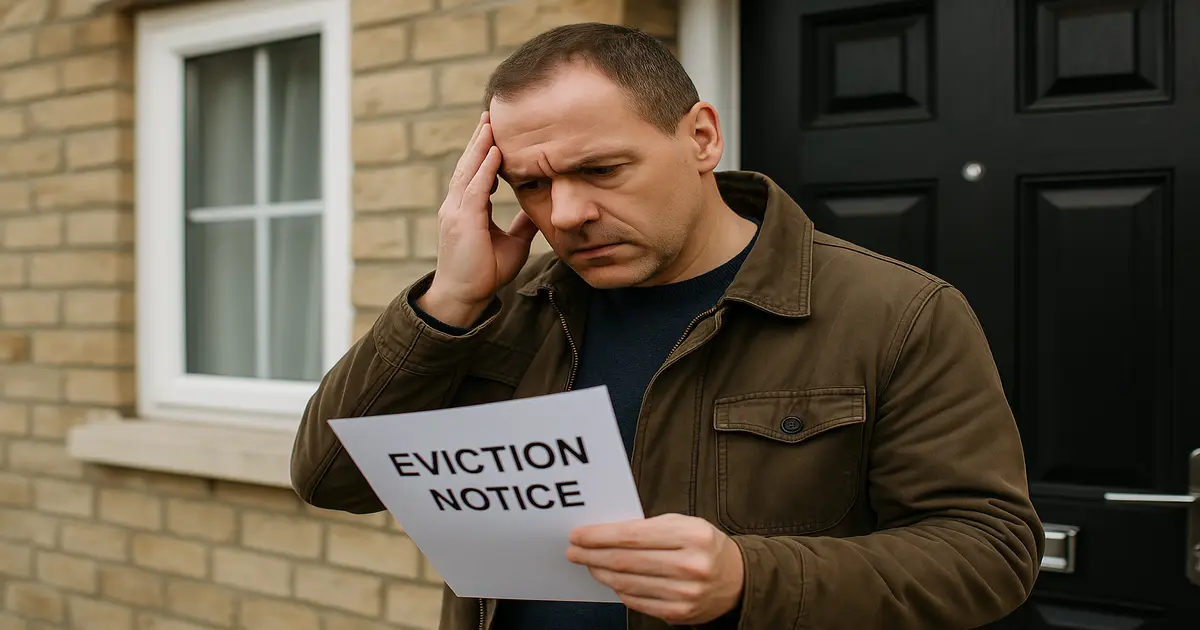
The resident may be at risk of tenancy action because of clutter, waste, odour, infestation, damage, blocked access, or complaints from neighbouring properties.
A referral can help address immediate property concerns, but the desired standard should be clearly agreed.
Questions to clarify include:
- Is the aim to restore access for inspection?
- Is waste removal required?
- Does the landlord need access to complete repairs?
- Is the property expected to meet a specified tenancy standard?
- Are photographs required after completion?
- Does the resident have independent advocacy or support?
- What continuing support will follow the clean?
A one time clearance may improve the property without addressing the reasons the situation developed. A maintenance or support plan may therefore be needed.
Care Visits Cannot Continue Safely
Care workers, nurses, therapists, housing staff, or support workers may be unable to complete visits because of:
- Blocked doorways
- No clear working area
- Contaminated floors
- Animal waste
- Sharps
- Aggressive pests
- Severe odour
- Unsafe furniture
- Lack of usable bathroom facilities
- Lack of clean food preparation space
The referral should identify exactly which areas need to become accessible so that essential care can continue.
How to Use This Specialist Cleaning Referral Guide
A structured referral reduces delays, prevents misunderstandings, and helps the cleaning team arrive with suitable staff, equipment, and protective measures.
The following process can be adapted to local authority, NHS, housing association, charity, or community team procedures.
Step 1: Define the Immediate Problem
Start by describing what is happening now.
Avoid broad statements such as:
- The property is a mess
- The client needs a clean
- The home is uninhabitable
- It is a hoarder house
- Everything needs removing
Instead, record specific observations.
For example:
The one bedroom flat contains accumulated household waste in the kitchen and hallway. The bathroom is accessible but heavily soiled. The bedroom floor is mostly covered by clothing and paperwork. The front entrance can be opened, but the hallway width is restricted.
This gives the provider enough information to begin assessing the scale of work.
Step 2: Identify the Desired Outcome
A referral should explain what needs to be achieved.
Possible outcomes include:
- Restore access to the front door
- Create a clear route to the bedroom and bathroom
- Make the kitchen suitable for food preparation
- Remove confirmed household waste
- Clean and sanitise the bathroom
- Clear space for a hospital bed
- Prepare the property for a care package
- Enable gas, electrical, or housing repairs
- Reduce immediate fire loading
- Remove contaminated furniture
- Prepare the property for a tenancy inspection
- Restore all rooms to a usable condition
- Complete a full clearance after the resident has moved
A quote cannot be accurate when the intended outcome is unclear.
Step 3: Confirm Consent and Authority
Before making a referral, establish who has authorised the assessment and cleaning.
This may be:
- The resident
- An attorney
- A court appointed deputy
- An executor
- A landlord within the scope of their authority
- A local authority acting under an appropriate process
- Another legally authorised representative
The cleaning company should be told:
- Whether the resident has agreed
- Whether the resident will be present
- Who can approve disposal
- Who can change the scope
- Who can receive photographs
- Who can sign off the work
- Who will pay the invoice
Cleaning staff should not be asked to make capacity decisions or determine which belongings lack value.
Where consent, capacity, access, or authority is disputed, the referrer should resolve the issue through the appropriate professional process before work begins.
Step 4: Record the Resident’s Preferences
The resident’s preferences should be included wherever possible.
Useful questions include:
- Which rooms matter most to you?
- Which possessions must not be moved?
- Are there private areas you do not want photographed?
- Are there items you would find distressing to lose?
- Would you prefer to be present?
- Would you prefer a support worker to attend?
- Are there specific words or approaches that make you uncomfortable?
- Would completing one room at a time feel more manageable?
- Are there cultural, religious, sensory, or communication needs the team should understand?
A person centred referral can still address serious risks while respecting dignity and control.
Step 5: Describe the Property
Include practical details such as:
- Full address and postcode
- Property type
- Floor level
- Number of bedrooms
- Number of bathrooms
- Lift availability
- Stair access
- Parking restrictions
- Controlled entry systems
- Communal areas
- Garden, shed, garage, or loft access
- Electricity and water availability
- Presence of pets
- Whether the property is occupied
- Whether neighbours are likely to be affected
London referrals often involve flats, restricted parking, controlled entrances, narrow stairs, and limited waste collection space.
Providing these details early helps prevent additional visits or unexpected charges.
Step 6: Disclose Known Hazards
The cleaning provider needs an honest description of known risks.
Disclose any suspected or confirmed presence of:
- Needles or sharps
- Blood or bodily fluids
- Human waste
- Animal waste
- Sewage
- Decomposed food
- Decomposition contamination
- Drug paraphernalia
- Chemical containers
- Broken glass
- Pest infestation
- Mould
- Damp
- Smoke or soot residue
- Unstable stacks
- Damaged flooring
- Unsafe electrical items
- Weapons
- Aggressive animals
- Asbestos concerns
- Structural damage
This information protects the resident, referrer, cleaners, neighbours, and other professionals.
It also helps the provider decide whether ordinary deep cleaning is appropriate or whether biohazard cleaning services are required.
Biohazard work may require trained personnel, protective equipment, controlled waste handling, specialist products, and a different timescale from general cleaning.
Step 7: Choose the Appropriate Level of Cleaning
Not every case requires the same service.
General Deep Cleaning
A deep clean may be appropriate when the home is clutter free but has built up dirt, grease, dust, limescale, or neglected surfaces.
It may include:
- Detailed kitchen cleaning
- Bathroom descaling and sanitisation
- Floor cleaning
- Internal windows
- Doors and frames
- Skirting boards
- Cupboard surfaces
- Appliances
- Fixtures and fittings
Vamoose offers deep cleaning services across London for properties requiring more detail than routine domestic cleaning.
Extreme Deep Cleaning
Extreme cleaning may be required where there is:
- Severe grime
- Long term neglect
- Heavy staining
- Embedded grease
- Strong odours
- Contaminated kitchens
- Unsanitary bathrooms
- Widespread waste residue
- Rooms that have not been cleaned for months or years
Hoarder Clearance and Cleaning
Hoarder cleaning usually combines:
- Careful sorting
- Clutter reduction
- Waste removal
- Recycling or donation where agreed
- Access restoration
- Deep cleaning
- Sanitisation
- Odour reduction
It may need to take place over several visits rather than through a complete one day clearance.
Needle Sweep
A needle sweep may be required where discarded needles, syringes, or sharps are suspected.
The provider must be told before the team begins moving bags, furniture, bedding, or loose materials.
Trauma or Decomposition Cleaning
Where a property has been affected by a traumatic incident, unattended death, blood, bodily fluids, or decomposition, the referral should identify the affected areas and any involvement from emergency services, police, funeral professionals, insurers, or landlords.
Mould and Damp Related Cleaning
Visible surface mould may be cleaned in some circumstances, but recurring mould can indicate an unresolved building, ventilation, plumbing, or moisture problem.
The referral should clarify whether the underlying cause has been assessed.
Step 8: Provide Photographs Carefully
Photographs can help the company assess:
- Clutter volume
- Waste volume
- Room access
- Floor coverage
- Kitchen condition
- Bathroom condition
- Furniture removal
- Equipment requirements
- Likely team size
- Vehicle requirements
Only share photographs where this is permitted under your organisation’s information governance procedures and the appropriate consent or authority is in place.
Photographs should focus on the work rather than exposing unnecessary personal information.
Avoid clearly displaying:
- Medical letters
- Bank statements
- Prescriptions
- Identity documents
- Family photographs
- Computer screens
- Personal correspondence
- Case notes
- Names on doors or labels
Ask the provider how images will be stored, used, and deleted.
Step 9: Request a Site Assessment When Needed
A site visit is often useful when:
- The referral involves several rooms
- Large quantities of belongings are present
- Access is uncertain
- Waste volume cannot be estimated
- Hazardous materials may be present
- The resident wants to discuss items in person
- The property has no utilities
- Parking or building access is difficult
- Multiple organisations are involved
- The work must meet a specific deadline
- The quote requires council or funding approval
During the assessment, the provider should confirm what is included and excluded.
Step 10: Agree the Scope in Writing
The written scope should identify:
- Rooms included
- Cleaning tasks included
- Clearance tasks included
- Waste removal arrangements
- Items that must remain
- Items approved for disposal
- Carpet or upholstery treatment
- Appliance cleaning
- Biohazard treatment
- Odour treatment
- Parking costs
- Disposal costs
- Expected duration
- Number of staff
- Start date
- Completion process
- Payment terms
- Person authorised to approve additional work
The scope should also make clear that hidden conditions may only become visible after clutter or furniture has been moved.
Step 11: Plan Communication With the Resident
The resident should understand what will happen before the team arrives.
Explain:
- Who is attending
- Why they are attending
- What rooms will be addressed
- How long the work may take
- Whether belongings will be moved
- How disposal decisions will be made
- Whether the resident should remain in the property
- Who will support them
- What happens if they become distressed
- Who they can contact with questions
Do not promise that the property will look completely different unless that outcome has been agreed and is realistic.
Step 12: Decide Whether the Resident Should Be Present
There is no single correct approach.
The resident may wish to be present because they need control over belongings. In other cases, being present during intensive cleaning may be distressing.
Consider:
- The resident’s wishes
- Their ability to make disposal decisions
- Emotional distress
- Sensory needs
- Physical safety
- Aggression or conflict risks
- The presence of a trusted support worker
- Whether the property will contain cleaning chemicals or equipment
- Whether rooms can remain safely occupied
The decision should be agreed before the start date.
Step 13: Prepare for the Day of Cleaning
Confirm the following twenty four to forty eight hours before the appointment:
- Access arrangements
- Key holder
- Parking
- Building permissions
- Resident attendance
- Support worker attendance
- Pets
- Utilities
- Waste authority
- Emergency contact
- Invoice contact
- Discharge or inspection deadline
- Any changes in risk
- Any newly identified sharps or contamination
A missed key handover or unavailable decision maker can delay the entire project.
Step 14: Maintain Boundaries During the Work
Cleaning operatives should be treated as part of the practical intervention, not as substitutes for social workers, mental health practitioners, carers, mediators, or security staff.
They should not be expected to:
- Assess mental capacity
- Persuade a resistant resident
- Restrain anyone
- Manage medication
- Provide personal care
- Make safeguarding decisions
- Remove disputed property
- Resolve family conflict
- Handle dangerous animals
- Enter an actively unsafe scene
- Provide a clinical opinion
Where complex behaviour or distress is anticipated, an appropriate professional should remain available.
Step 15: Complete a Handover
After the work, the authorised contact should receive a clear handover.
This may include:
- Areas completed
- Waste removed
- Rooms restored to use
- Routes cleared
- Items retained
- Work not completed
- Hazards discovered
- Repairs recommended
- Pest concerns
- Mould concerns
- Damaged flooring
- Utility concerns
- Need for further visits
- Maintenance recommendations
Photographs should only be provided where previously agreed.
The provider can confirm the cleaning completed. It should not certify clinical suitability, mental capacity, safeguarding closure, tenancy compliance, or long term risk removal unless specifically qualified and authorised to do so.
Information to Include in a Specialist Cleaning Referral
The following template can be copied into an email or referral form.
Referrer Information
- Name
- Job title
- Organisation
- Telephone number
- Working hours
- Alternative contact
- Purchase order requirements
Resident Information
- Name
- Preferred form of address
- Communication needs
- Relevant mobility needs
- Whether the resident has consented
- Whether the resident will attend
- Authorised representative
- Support person attending
Only provide information that is necessary for arranging the cleaning safely.
Property Information
- Full address
- Postcode
- Property type
- Number of rooms
- Floor level
- Lift or stairs
- Parking
- Key access
- Utilities
- Pets
- Current occupancy
Reason for Referral
Describe:
- Current property condition
- How long the issue has been developing
- Impact on the resident
- Impact on care or professional visits
- Urgency
- Required outcome
- Relevant deadlines
Risk Information
Confirm whether the property may contain:
- Sharps
- Human waste
- Animal waste
- Bodily fluids
- Pests
- Mould
- Drug paraphernalia
- Broken glass
- Unstable clutter
- Aggressive behaviour
- Unsafe flooring
- Chemical risks
- Fire risks
Cleaning Requirements
Specify whether the referral requires:
- Deep cleaning
- Extreme cleaning
- Hoarder clearance
- Waste removal
- Needle sweep
- Biohazard treatment
- Odour removal
- Appliance cleaning
- Bathroom restoration
- Kitchen restoration
- Access route clearance
- Full property restoration
Decision Making and Disposal
Identify:
- Who can authorise disposal
- What must be retained
- What can be removed
- Whether documents are present
- Whether valuables are expected
- What should happen if uncertain items are found
- Who can approve additional costs
Funding and Approval
Include:
- Funding source
- Maximum approved budget, where appropriate
- Purchase order contact
- Invoice details
- Quote format required
- Number of quotes required
- Approval deadline
Common Referral Mistakes to Avoid
Referring Too Late
Waiting until the day before hospital discharge, inspection, repair, or care commencement can limit the available options.
Complex properties may need an assessment, funding approval, waste planning, and several working days.
Understating the Property Condition
Calling an extreme clean a “small tidy up” may result in the wrong team, insufficient time, unsuitable equipment, and an inaccurate quote.
Failing to Mention Sharps or Human Waste
Hazards should never be left as a surprise for the cleaning team.
No Clear Disposal Authority
The team cannot safely progress if every item requires a decision and no authorised person is available.
Setting an Unrealistic Outcome
A property that has deteriorated over several years may not be fully restored in a few hours.
Treating Cleaning as the Whole Intervention
The property may become dirty or cluttered again if there is no continuing support, maintenance plan, mental health intervention, housing action, or care arrangement.
Excluding the Resident Completely
Where it is safe and appropriate, involving the resident in decisions can preserve trust and improve cooperation.
Using Stigmatising Language
Words such as lazy, filthy, difficult, or non compliant provide little useful information and can damage professional relationships.
Confidentiality and Respectful Practice
Specialist cleaning cases often involve highly personal circumstances.
The resident may be experiencing:
- Mental illness
- Bereavement
- Addiction
- Domestic abuse
- Financial hardship
- Disability
- Cognitive decline
- Social isolation
- Housing insecurity
- Family conflict
Privacy should be protected throughout the referral, assessment, cleaning, and handover.
Good practice includes:
- Sharing only necessary information
- Avoiding discussion in communal areas
- Using discreet vehicles and clothing where possible
- Not photographing people without agreement
- Protecting documents found during cleaning
- Avoiding judgemental comments
- Confirming before discarding personal items
- Keeping neighbours uninformed unless operationally necessary
- Using one agreed professional contact
Local Specialist Cleaning Referrals Across London
Vamoose Cleaning Services is based in Ruislip and supports referrals across Greater London and surrounding areas.
Coverage includes Ruislip, Hillingdon, Uxbridge, Harrow, Ealing, Hounslow, Brent, Watford, Middlesex, Surrey, Sussex, Hertfordshire, and nearby counties.
The company can work with:
- Local authority adult social care teams
- Community mental health teams
- Hospital discharge services
- Housing associations
- Supported accommodation providers
- Care agencies
- Rehabilitation teams
- Probate professionals
- Estate agents
- Families and authorised representatives
For local details, directions, and customer feedback, view Vamoose Cleaning Services on Google.
Frequently Asked Questions
Can a social worker refer someone for specialist cleaning?
Yes. A social worker can contact a specialist cleaning company to request an assessment or quotation, subject to their organisation’s procedures, the resident’s circumstances, appropriate authority, consent, funding, and information governance requirements.
Does the resident need to agree to the cleaning?
The provider should be told what consent or legal authority is in place. Where the resident objects, lacks capacity for a relevant decision, or disputes access or disposal, the referrer should obtain appropriate professional and legal guidance before work begins.
Can the cleaning company decide what should be thrown away?
No. Disposal decisions should be made by the resident or an authorised representative. The referral should state what can be removed and what must be retained.
Can specialist cleaners work with mental health teams?
Yes. Specialist cleaners can coordinate practical property work with mental health teams, support workers, social workers, housing officers, and other professionals. Each party’s role should be clear.
What photographs are needed for a quote?
Useful photographs show each room, floor access, waste volume, kitchens, bathrooms, entrances, and obvious hazards. Personal records and identifying information should be excluded where possible.
What happens if needles are found during cleaning?
Work in the affected area may need to pause while the sharps risk is assessed and controlled. Known or suspected needles should always be disclosed before the appointment.
How quickly can specialist cleaning be arranged?
Timescales depend on the property condition, team availability, assessment requirements, funding approval, access, waste volume, and known hazards. Referrals should be made as early as possible.
Can cleaning help prevent eviction?
Cleaning may help address property condition concerns, enable repairs, support inspections, and demonstrate engagement. It cannot guarantee that tenancy action will stop, as that decision belongs to the landlord, court, or relevant authority.
Can a hoarded home be cleared in one day?
Some smaller cases may be completed quickly, but severe hoarding often requires staged work. The timeframe depends on volume, hazards, emotional involvement, access, disposal decisions, and the number of rooms.
Does specialist cleaning treat the person’s mental health condition?
No. Specialist cleaning addresses the physical condition of the property. It does not replace mental health treatment, social care, safeguarding, occupational therapy, housing support, or ongoing practical assistance.
Make the Referral Before the Situation Becomes More Urgent
A good specialist cleaning referral gives the provider enough information to plan safely while preserving the resident’s privacy, dignity, and involvement.
The most effective referrals clearly explain the property condition, required outcome, known risks, authority for access and disposal, timescale, funding process, and people responsible for decisions.
Vamoose Cleaning Services provides discreet specialist cleaning for vulnerable residents, families, social workers, mental health teams, councils, housing providers, hospital discharge services, and community organisations across London and surrounding counties.
To discuss a referral, call 01895 717115 with the property postcode, room details, required outcome, proposed timescale, access arrangements, and known risks.