
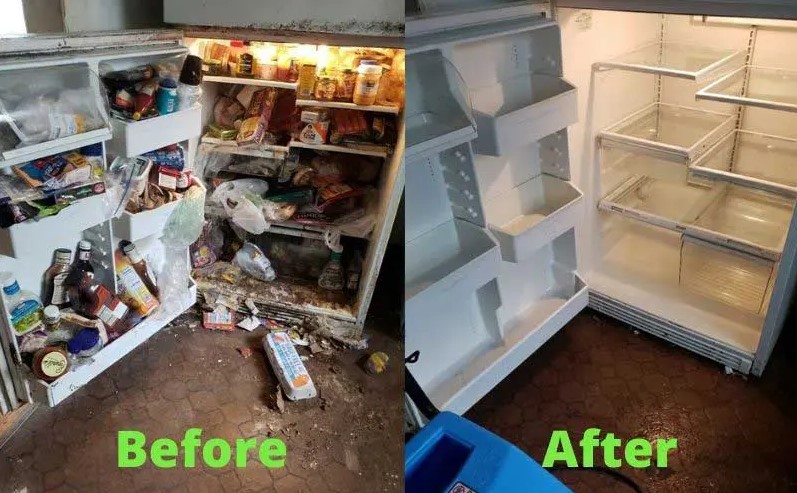
A straightforward hoarder clearance may sometimes be completed within one to three days. However, a larger property, extensive accumulation, careful sorting or hazardous conditions can extend the work over several days or require a phased programme.
Property size alone does not determine how long the clearance will take. The volume and type of material, access, waste arrangements, resident involvement and cleaning required after removal can all affect the schedule.
The most reliable timescale comes from assessing the property and agreeing on the intended outcome. This guide explains what should be included in the estimate and why two similar homes may require very different amounts of time.
What Does the Hoarder Clearance Timescale Include?
Before comparing estimated durations, it is important to define what “hoarder clearance” means.
Some quotations cover only the removal of agreed items. Others include sorting, waste disposal, deep cleaning, sanitising and odour treatment. A property may be emptied quickly but still require further work before it is safe, hygienic or ready to occupy.
A complete project may involve the following stages:
- Initial property assessment
- Risk assessment and project planning
- Identifying items to keep
- Sorting possessions
- Removing approved waste and unwanted items
- Separating recyclable or donatable materials
- Handling hazardous or contaminated waste
- Deep cleaning exposed surfaces
- Sanitising affected areas
- Treating the source of persistent odours
- Conducting a final inspection
- Reporting damage or repairs that require another specialist
When asking how long hoarder clearance takes, confirm which of these stages are included. A one-day removal service is not the same as a complete clearance, deep clean and hygiene restoration.
Can a Hoarder House Be Cleared in One Day?
A small or moderately affected property may sometimes be cleared in one day, particularly when the work is carefully planned.
A one-day clearance is more realistic when:
- Only one or two areas are affected
- The property is easy to access
- The volume of material is manageable
- The client has already given clear disposal instructions
- Limited sorting is required
- No serious contamination is present
- Parking and loading are straightforward
- Waste arrangements have been confirmed
- The right team and equipment are available
- Extensive deep cleaning is not required
Even under these conditions, the cleaning company should assess the situation before promising a completion time.
Photographs can help establish the likely scale of the project, but they may not show what is beneath piles of possessions. Mould, damaged flooring, spoiled food, pests or contaminated materials may only become visible once the clearance begins.
A company that guarantees a one-day completion without understanding the property may be overlooking important practical or safety requirements.
Why Do Some Hoarder Clearances Take Longer?
Hoarder clearance is not simply a matter of placing everything into a waste vehicle. The work may involve thousands of individual items, difficult decisions, different waste categories and heavily soiled surfaces.
A longer programme may be needed when:
- Several rooms are heavily affected
- Doors and corridors are obstructed
- Possessions must be reviewed individually
- Important documents or valuables need to be recovered
- Large furniture or appliances need removing
- The property contains needles or biological contamination
- The resident needs additional decision-making time
- Waste must be separated into different categories
- Parking or loading access is restricted
- Deep cleaning and sanitising are included
- Other specialists need to attend
- Hidden damage is discovered during the clearance
The timescale should reflect the actual work required. Completing the project safely and respecting the resident’s instructions are more important than meeting an unrealistic deadline.
Property Size and Layout
A studio flat will generally require less time than a multi-storey house, but floor area is only one part of the calculation.
The assessor should consider every area included in the work:
- Bedrooms
- Living rooms
- Kitchen and bathroom
- Hallways and stairs
- Cupboards and storage areas
- Loft
- Cellar
- Garage
- Shed
- Garden
- Balcony
- Communal storage
A small flat packed densely with possessions may take longer than a larger house where only two rooms are affected.
The property layout can also slow physical removal. Narrow staircases, long corridors, communal entrances and buildings without lifts increase the distance that each item must be moved. Where a lift is available, its size, permitted use and operating hours may affect the schedule.
External access is equally important. If the waste vehicle cannot park near the property, the team may need to carry materials over a longer distance. London parking restrictions, controlled zones and limited loading times should be considered before work begins.
Volume and Type of Possessions
The amount of material inside the property is often more important than the number of rooms.
A bedroom containing a few large pieces of furniture may be cleared relatively quickly. The same room filled from floor to ceiling with small objects, paperwork, clothing and mixed waste will take much longer to sort and remove.
The type of material also matters.
Paper and documents
Large amounts of paper can be heavy and time-consuming to review. Personal letters, financial records, identification documents and photographs may be mixed with newspapers and packaging.
The team cannot assume that all paper is waste. Important documents may need to be located and placed somewhere secure.
Clothing and textiles
Clothing may need to be divided into items to keep, donate, recycle or dispose of. Damp, mould or contamination can limit which items are suitable for reuse.
Furniture and appliances
Large furniture may need to be dismantled before removal. Fridges, freezers, televisions and other electrical items require appropriate handling and should not be treated as ordinary household waste.
Food and organic waste
Spoiled food requires careful removal and may have affected cupboards, appliances, flooring and nearby possessions. It can also attract insects or rodents.
Chemicals and hazardous products
Paint, cleaning chemicals, batteries, fuel, aerosols and unidentified liquids may need separate handling. Discovering these materials can change both the waste arrangements and the programme.
A realistic timescale therefore depends on what is being removed, not just how much space it occupies.
How Much Sorting Is Required?
Sorting is often the most time-consuming stage of a hoarder clearance.
The process can move more quickly when the client has already established clear categories. For example, the team may be authorised to retain all photographs, legal documents, jewellery and named sentimental items while removing clearly identified waste.
More time will be needed if:
- Every item must be reviewed by the resident
- The client is uncertain about what can be removed
- Important belongings are hidden throughout the property
- Several family members must approve decisions
- Items need to be valued or inventoried
- Donation and recycling categories are extensive
- The work involves a deceased person’s estate
- Ownership of some possessions is unclear
The resident or authorised representative should determine what can be removed. A cleaning team may explain that an item is damaged or contaminated, but it should not make personal decisions about what is valuable.
Clear written instructions can reduce delays while protecting important belongings. The property assessment should establish how decisions will be made and what happens when the team finds an item that may be significant.
Resident Involvement and Emotional Considerations
Hoarding can be connected with mental health difficulties, bereavement, trauma, illness, disability or other sensitive circumstances. Clearance may therefore be emotionally demanding for the resident.
Some residents want to participate throughout the process. Others prefer to agree on instructions and leave while the work is completed. In certain cases, a family member, housing officer or support professional may help with decisions.
Resident involvement can affect the timescale because reviewing possessions takes time. This should not automatically be treated as an inconvenience. A rushed approach can cause distress, damage trust and make the process harder to complete.
A phased clearance may be more appropriate when the resident:
- Needs time to consider decisions
- Finds a full clearance overwhelming
- Will remain living in the property
- Is receiving support from another professional
- Wants to begin with essential rooms
- Needs regular breaks during sorting
- Is not ready to address every area at once
The schedule should balance sensitivity with safety. Immediate risks such as blocked exits, unstable piles or contaminated materials may need prompt action, even if the remaining work is completed gradually.
Biohazards and Contamination
Hazardous conditions can add a separate cleaning and decontamination stage to the project.
Possible hazards include:
- Needles and sharps
- Human waste
- Animal waste
- Blood or other bodily fluids
- Spoiled food
- Rodent or bird droppings
- Pest infestations
- Mould
- Sewage
- Chemicals
- Contaminated mattresses and soft furnishings
These materials cannot always be placed in ordinary waste. The team may require personal protective equipment, specialist containers, controlled handling and appropriate disposal arrangements.
The affected area may also need to be isolated to prevent contamination from spreading into cleaner parts of the property. Once the hazardous material has been removed, surfaces may require specialist cleaning and sanitisation.
Where these conditions are present, biohazard cleaning for contaminated environments may need to be included in the programme.
Attempting to save time by ignoring contamination can leave the property unsafe. Hazard removal should be planned as part of the project rather than added as a quick surface clean at the end.
Access, Parking and Waste Removal
Removing large volumes of material requires suitable access and organised waste arrangements.
Factors that may affect the schedule include:
- Distance from the property to the waste vehicle
- Availability of nearby parking
- Loading restrictions
- Congestion or controlled parking zones
- Stairs and lift access
- Narrow doors or corridors
- Building management requirements
- Limits on working hours
- Number of removal journeys
- Availability of appropriate waste containers
- Need to protect communal areas
Waste may also need to be separated into categories, including:
- General waste
- Recyclable materials
- Electrical equipment
- Metal
- Furniture
- Textiles
- Confidential documents
- Chemicals
- Clinical or hazardous waste
Responsible separation and disposal may take longer than loading everything together, but it helps ensure that materials are handled appropriately.
For flats and shared buildings, the cleaning company may also need to protect lifts, corridors and entrances. These arrangements should be discussed before the start date.
The Level of Cleaning Required After Clearance
The property may reveal extensive dirt or damage after possessions have been removed. Areas that were inaccessible for months or years can contain dust, grease, mould, staining and pest residue.
The required finish has a direct effect on the timescale.
Clearance only
The team removes agreed items but does not carry out detailed cleaning. This is normally the fastest option, but it may not leave the property ready to occupy.
General cleaning
Accessible surfaces are vacuumed, wiped and mopped. This may be suitable where the property remains in reasonable condition.
Deep cleaning
The team works on built-up dirt across kitchens, bathrooms, flooring, woodwork, fixtures and other accessible surfaces.
Extreme deep cleaning
Severely neglected properties may require more intensive work, repeated treatment and commercial cleaning equipment. Vamoose provides extreme deep cleaning for severely affected properties where standard cleaning is insufficient.
Sanitising and contamination treatment
Biological hazards and heavily soiled environments may require additional processes after physical waste has been removed.
Odour treatment
Persistent odours should be treated by identifying and removing the source. Spraying fragrance into the room does not resolve contamination beneath flooring, inside furniture or behind appliances.
Clients should confirm whether their quotation includes only clearance or the cleaning required afterwards.
Team Size and Project Management
A larger team can complete some tasks more quickly, but doubling the number of workers does not always halve the duration.
The number of people who can work safely may be limited by:
- Narrow access routes
- Small rooms
- Unstable piles
- Contaminated areas
- The need for careful sorting
- Resident decision-making
- Limited vehicle capacity
- Restricted building access
A coordinated team is generally more effective than simply placing as many people as possible inside the property. Roles may be divided between sorting, moving items, managing waste and cleaning cleared areas.
An experienced project manager can help keep the work aligned with the approved scope. They can also communicate with the resident, family or professional representative when a decision is required.
Vamoose’s professional hoarder cleaning services are planned around the condition of the property and the client’s individual requirements.
External Specialists and Property Repairs
Clearance may reveal problems that a cleaning company cannot repair.
These can include:
- Electrical damage
- Plumbing leaks
- Structural movement
- Unsafe flooring
- Broken boilers
- Damaged windows
- Extensive pest infestations
- Asbestos-containing materials
- Major mould problems
- Fire damage
A cleaning team can report visible concerns, but qualified contractors may be needed to inspect or repair them. Their availability can extend the overall property restoration programme even if the clearance itself is complete.
It is useful to separate the clearance timescale from the time needed to make the property fully habitable. Cleaning, pest control, electrical work, repairs and decoration may be separate stages.
Can Hoarder Clearance Be Completed in Stages?
A phased programme can make a large or sensitive project more manageable.
One possible sequence is:
Phase 1: Restore safe access
Clear entrances, hallways, stairs and routes to utility controls.
Phase 2: Restore essential facilities
Prioritise the bathroom, kitchen and sleeping area so they can be used safely.
Phase 3: Address remaining rooms
Work through bedrooms, living areas and storage spaces according to the agreed priorities.
Phase 4: Clear external areas
Complete garages, sheds, gardens or balconies where included.
Phase 5: Deep clean and sanitise
Clean all accessible surfaces after possessions and waste have been removed.
Phased clearance can be particularly useful for occupied homes and cases involving mental health or social-care support. It may also help when a hospital discharge team needs essential rooms made safe before the rest of the property is addressed.
However, dividing the work into stages may increase the total elapsed time because the team must return on different dates. The benefit is that it allows decisions and support to be managed at an appropriate pace.
How Can You Help Prevent Delays?
Good preparation can make the agreed programme more reliable.
Arrange an assessment
A professional assessment provides more useful information than a brief telephone description. Read what happens during a hoarder cleaning assessment before arranging the visit.
Confirm decision-making authority
Identify who can approve the work and make decisions about possessions. Delays are likely if the team must wait for several people to provide instructions.
List essential possessions
Provide details of documents, photographs, medication, jewellery, keys and sentimental items that must be retained.
Share known hazards
Tell the company about needles, waste, pests, mould, damaged floors and other concerns. This helps the team arrive with suitable equipment.
Confirm access arrangements
Provide keys, parking information, building access instructions and any restrictions on working hours.
Agree the scope in writing
Make sure everyone understands which rooms, services and waste arrangements are included.
Avoid unsafe preparation
Do not climb over unstable piles, handle needles or move contaminated items to save time. This can create injuries and spread contamination.
Why an Assessment Produces a More Reliable Timescale
An assessment allows the cleaning company to see how the property is used, what needs removing and what must be protected.
It should establish:
- Areas included in the work
- Approximate volume of material
- Sorting requirements
- Known hazards
- Waste categories
- Access limitations
- Deep-cleaning requirements
- Proposed team size
- Client priorities
- External support or contractors required
Photographs and videos can support an initial estimate. An in-person visit may still be necessary for heavily affected or hazardous properties.
The final programme should also allow for reasonable uncertainty. Conditions beneath piles of belongings cannot always be confirmed until removal begins.
Questions to Ask About the Proposed Schedule
Before accepting a quotation, ask:
- Does the timescale cover sorting, clearance and cleaning?
- How many working days are expected?
- What could extend the programme?
- How many team members will attend?
- Can essential rooms be prioritised?
- Does the quote include waste removal?
- How will hazardous materials be handled?
- What happens if hidden contamination is found?
- Can the resident remain in the property?
- Who will supervise the work?
- Will external contractors be required?
- How will changes be approved?
The answers should make it clear what “complete” means. A property may be cleared of waste but still require cleaning, repairs or further specialist treatment.
Hoarder Clearance in London and Surrounding Counties
There is no single timescale that applies to every hoarder clearance. While some projects may be completed within one to three days, larger or more complicated properties may require additional time or several planned stages.
Vamoose Cleaning Services works with residents, families, landlords, housing providers and support organisations across London and surrounding counties. Its approach is compassionate, confidential and based on the actual condition of the property.
The team can assess the affected areas, discuss the client’s priorities and prepare a tailored plan covering clearance, cleaning and sanitisation where required.
To obtain a realistic programme for a particular property, request an assessment and tailored quotation. Providing accurate information about access, possessions and known hazards will help Vamoose recommend an appropriate scope and timescale.
Frequently Asked Questions
How long does hoarder clearance take?
A straightforward clearance may sometimes take one to three days. Large properties, extensive sorting, contamination or restricted access can extend the work over several days or require a phased programme.
Can a hoarder house be cleared in one day?
It may be possible when the property is small, disposal instructions are clear, access is straightforward and no serious contamination is present. An assessment is needed before a one-day completion can be considered realistic.
How long does deep cleaning take after clearance?
The duration depends on the number of rooms, property condition and required finish. Heavy grease, mould, waste residue, pests or contamination will require more time than general cleaning.
Does the resident need to be present?
Not necessarily. The resident may remain involved, attend for key decisions or authorise a trusted representative. The arrangement should be agreed before work begins.
Do biohazards make the clearance take longer?
Usually, yes. Hazardous materials may require PPE, controlled removal, separate disposal and specialist sanitisation.
Can the work be divided into phases?
Yes. Access routes and essential rooms can sometimes be prioritised before the rest of the property. Phased work can be helpful for occupied homes and sensitive circumstances.
Can photographs provide an accurate timescale?
Photographs can support an initial estimate, but they may not reveal hidden contamination, damage or the density of accumulated material. A site visit may still be required.
What happens if hidden damage is found?
The team should report the issue and explain whether it affects the agreed work. Qualified contractors may be required for structural, electrical, plumbing or other repairs.