
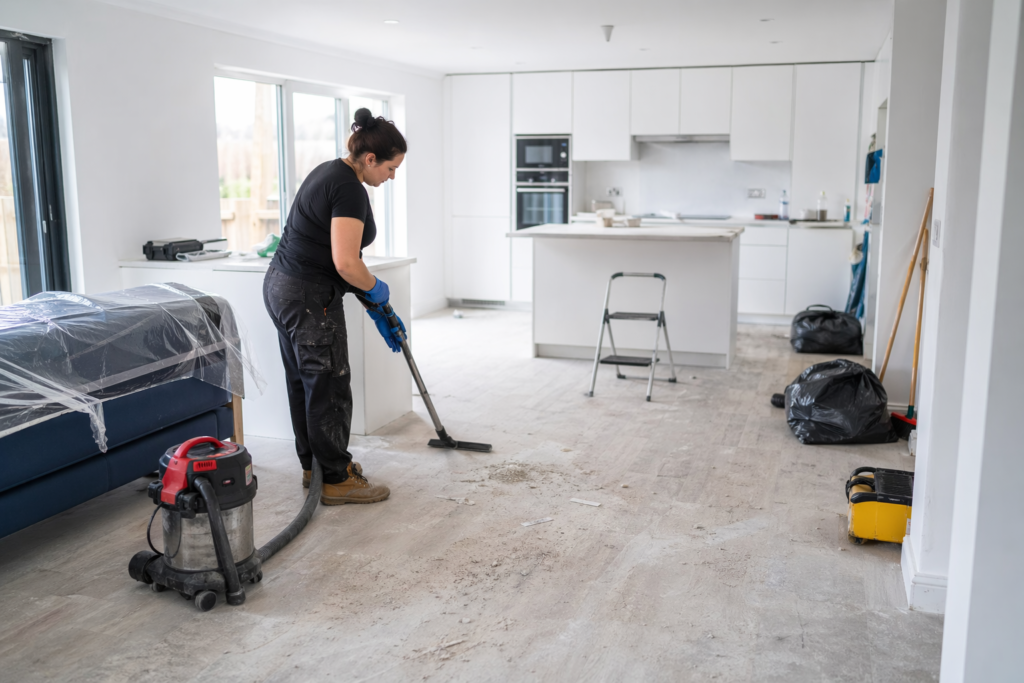
When a property requires specialist cleaning, the first priority is not appearance. It is safety.
Properties affected by severe neglect, hoarding, contamination, long term abandonment, or unusual circumstances can contain risks that are not immediately visible. Before cleaning begins, specialist cleaners must understand the environment, identify hazards, and create a safe working plan.
Unlike standard cleaning, specialist cleaning services involve properties where normal cleaning methods may not be enough. The condition of the property may create risks for occupants, visitors, contractors, and cleaning professionals.
A professional specialist cleaning team does not begin by removing items or applying cleaning products. The process starts with a detailed risk assessment.
This assessment helps determine:
- What hazards exist inside the property
• How serious the risks are
• What protective equipment is required
• Which cleaning methods are suitable
• How the property can be restored safely
For homeowners, landlords, and property managers, understanding this assessment process explains why specialist cleaning requires experience, preparation, and professional procedures.
Why Health and Safety Assessment Is Important Before Specialist Cleaning
Every property has different challenges. A property that appears dirty may have underlying risks that require specialist attention.
Health and safety assessments help cleaning teams avoid unnecessary exposure and prevent further problems.
Potential risks inside a property may include:
- Biological contamination
• Mould and damp
• Pest infestation
• Sharp objects
• Unsafe structures
• Chemical hazards
• Excessive waste
• Poor air quality
• Fire risks
Without proper assessment, cleaning work may disturb hazards that were previously contained.
For example, moving contaminated materials without protective measures can increase exposure risks. Removing large amounts of accumulated belongings without planning can create unstable conditions.
A professional assessment ensures cleaning begins with control and preparation.
The UK Health and Safety Executive provides guidance on managing workplace risks, assessing hazards, and implementing suitable control measures.
The Initial Property Inspection Process
The first stage of a specialist risk assessment is usually a property inspection.
During this inspection, cleaners evaluate the overall condition of the property and identify areas requiring attention.
The inspection considers:
Property Condition
The team looks at:
- General cleanliness
• Amount of clutter
• Condition of surfaces
• Damage to rooms
• Accessibility of areas
This provides an overview of the cleaning requirements.
Access and Movement
Safe movement through the property is essential.
Specialists check:
- Entrance routes
• Hallways
• Staircases
• Room accessibility
• Emergency exits
Blocked pathways can create serious safety issues, especially during cleaning when equipment and waste materials need to be moved.
Environmental Conditions
The team assesses:
- Air quality
• Ventilation
• Temperature
• Moisture levels
• Presence of unusual smells
Environmental conditions can provide important clues about hidden problems.
Identifying Biological Hazards
Biological risks are one of the most important areas assessed during specialist cleaning.
These risks may exist in properties affected by:
- Unattended deaths
• Bodily fluids
• Animal waste
• Human waste
• Severe neglect
• Contamination incidents
Biological materials can contain harmful microorganisms that require specialist handling.
During assessment, cleaners consider:
- Where contamination exists
• How extensive it is
• Which areas are affected
• What protective measures are needed
The cleaning approach depends on the level of risk.
Specialist cleaners use appropriate procedures to reduce exposure and restore safe conditions.
Assessing Hoarding Related Risks
Hoarding situations require careful assessment because risks often involve both physical hazards and personal circumstances.
A property affected by hoarding may contain:
- Blocked exits
• Restricted movement areas
• Unstable piles of belongings
• Expired food
• Pest activity
• Hidden hazards
Before cleaning begins, specialists assess:
Level of Accumulation
The team evaluates how much clutter exists and how it affects the property.
Questions considered include:
- Can rooms be accessed safely?
• Are essential facilities usable?
• Are pathways blocked?
• Are emergency exits available?
Safety Concerns Within Belongings
Accumulated items may hide:
- Sharp objects
• Broken materials
• Damaged electrical equipment
• Contaminated items
Careful planning helps prevent injuries during removal and cleaning.
Vamoose provides professional hoarding cleaning services for properties where clutter and safety concerns require a specialist approach.
Evaluating Mould, Damp, and Air Quality Problems
Moisture problems are another common issue identified during specialist assessments.
Properties affected by long term neglect may develop:
- Visible mould
• Damp surfaces
• Musty smells
• Poor ventilation
• Material deterioration
Mould can affect indoor environments and may require more than surface cleaning.
During assessment, specialists look at:
- Location of mould growth
• Possible moisture sources
• Extent of affected areas
• Materials requiring treatment
Understanding the cause helps determine the correct solution.
Cleaning visible mould without addressing the underlying issue may not provide a long term result.
Assessing Physical Hazards Inside a Property
Physical hazards are another major consideration during a specialist cleaning assessment. These hazards can create immediate risks for anyone entering or working inside the property.
Unlike routine cleaning, specialist cleaners may enter properties where conditions have changed significantly over time. Items may have deteriorated, areas may have become unsafe, and normal movement through the property may no longer be possible.
During assessment, professionals look for:
- Unstable furniture or stacked items
• Damaged flooring
• Broken glass or sharp objects
• Restricted access areas
• Unsafe staircases
• Falling object risks
• Structural concerns
The purpose of identifying these hazards is to decide how cleaning work can be completed safely.
For example, a heavily cluttered room may require controlled removal of items before deep cleaning can begin. A damaged floor may require additional precautions to prevent injuries.
A specialist cleaning company does not assume that a property is safe simply because it was previously occupied. Conditions can change significantly after periods of neglect or abandonment.
Evaluating Fire Safety Risks
Fire risks are commonly assessed in properties requiring specialist cleaning, particularly in severe hoarding or neglected property situations.
Accumulated belongings, waste materials, and blocked pathways can increase fire risks.
During assessment, cleaners consider:
- Whether exits are accessible
• Whether electrical equipment is unsafe
• Whether flammable materials are present
• Whether clutter blocks escape routes
• Whether emergency access is possible
Blocked exits are a serious concern because they can prevent safe evacuation during an emergency.
A specialist cleaning team may prioritise creating safe access routes before completing detailed cleaning.
This is one reason why specialist cleaning requires planning rather than simply sending cleaners into a property with basic equipment.
Checking Electrical and Utility Safety
Properties that have been empty for long periods or severely neglected may contain electrical and utility concerns.
During assessment, cleaners may look for:
- Damaged cables
• Unsafe appliances
• Exposed electrical components
• Water leaks
• Gas related concerns
Specialist cleaners are not electricians or engineers, but they need to recognise potential dangers and avoid creating additional risks.
If serious issues are identified, the appropriate professionals may need to be involved before cleaning continues.
Safety assessment ensures that cleaning work happens in the correct order.
Identifying Chemical and Hazardous Material Risks
Some properties contain chemicals or materials that require specialist consideration.
Examples include:
- Cleaning chemicals stored incorrectly
• Fuel containers
• Paint materials
• Unknown substances
• Expired products
Before handling unknown materials, cleaners assess whether they can be safely removed.
The team considers:
- What the substance may be
• Whether it creates exposure risks
• How it should be handled
• Whether specialist disposal is required
Professional cleaners avoid unnecessary contact with unknown materials and follow safe procedures.
Assessing Waste and Disposal Requirements
Waste assessment is an important part of specialist cleaning preparation.
The type and quantity of waste affect how the cleaning project is managed.
Specialists consider:
- Amount of waste present
• Type of materials requiring removal
• Disposal requirements
• Access for removal vehicles
• Storage arrangements during cleaning
Different waste categories may require different handling methods.
Examples include:
- General household waste
• Contaminated materials
• Damaged furniture
• Biological waste
• Items affected by pests
Proper waste planning prevents delays and ensures materials are removed responsibly.
Understanding Pest Infestation Risks
Properties affected by neglect or excessive clutter may experience pest problems.
During assessment, cleaners check for signs of:
- Rodents
• Insects
• Animal activity
• Contaminated areas
• Food waste accumulation
Pest activity can create hygiene problems and may affect how cleaning is completed.
For example, areas with pest contamination may require additional sanitisation after waste removal.
The assessment allows the cleaning team to prepare appropriate procedures.
Assessing Odour Sources and Contamination Levels
Strong odours often indicate underlying issues.
A specialist cleaner does not simply treat smells with fragrances. The source must first be identified.
Possible causes include:
- Waste accumulation
• Damp conditions
• Animal contamination
• Smoke damage
• Organic materials
• Poor ventilation
During assessment, cleaners determine:
- Where the smell originates
• Whether materials need removal
• Whether surfaces require treatment
• What cleaning methods are appropriate
This approach creates longer lasting results.
Creating a Risk Level Assessment
After identifying hazards, specialist cleaners evaluate the overall level of risk.
A property may be categorised according to:
- Type of hazards present
• Severity of risks
• Areas affected
• Required controls
• Cleaning complexity
This helps determine:
- Number of team members needed
• Equipment requirements
• Cleaning timeline
• Safety procedures
A low risk property may require a straightforward deep clean, while a high risk property may require multiple preparation stages.
Selecting Appropriate Personal Protective Equipment
Personal protective equipment (PPE) is selected based on identified risks.
The correct PPE protects cleaning professionals from exposure and injury.
Depending on the situation, PPE may include:
- Gloves
• Protective clothing
• Face protection
• Masks or respiratory protection
• Safety footwear
The level of protection depends on the property condition.
For example, a standard deep clean may require minimal protective equipment, while a property affected by biological contamination requires a higher level of protection.
Planning the Cleaning Method
After completing the risk assessment, the team creates a cleaning method based on the findings.
The plan explains:
- Where cleaning begins
• Which areas require priority
• What equipment will be used
• How waste will be managed
• What safety controls are required
This prevents unnecessary movement through unsafe areas and improves efficiency.
A structured cleaning method is especially important for:
- Extreme deep cleaning projects
• Hoarding properties
• Neglected homes
• Sensitive cleaning situations
Vamoose provides extreme deep cleaning services for properties where extensive restoration and specialist procedures are required.
Why Risk Assessment Is Different From Normal Cleaning Preparation
Normal cleaning preparation usually focuses on practical details:
- Which rooms need cleaning
• What products are required
• How much time is needed
Specialist cleaning preparation goes further.
It focuses on:
- Safety
• Hazard control
• Exposure prevention
• Property restoration
• Correct cleaning procedures
This difference explains why specialist cleaning teams require additional experience and training.
A property may appear to need “just a clean,” but hidden risks can change the entire approach.
How Specialist Cleaning Risk Assessment Benefits Property Owners
A detailed risk assessment provides several advantages.
Protects People Entering the Property
The assessment identifies hazards before they cause harm.
This protects:
- Cleaning teams
• Property owners
• Contractors
• Future occupants
Prevents Cleaning Mistakes
Different problems require different solutions.
Risk assessment helps avoid:
- Using unsuitable products
• Disturbing contamination
• Removing items incorrectly
• Creating additional damage
Creates Accurate Planning
Understanding the property condition helps create realistic expectations.
Property owners can understand:
- What work is required
• How long it may take
• What results are achievable
How Vamoose Manages Health and Safety Risks During Specialist Cleaning
A professional specialist cleaning company must combine technical knowledge with a careful understanding of each property’s situation.
Vamoose Cleaning Services approaches challenging properties through a structured process that focuses on safety, respect, and effective restoration.
The team understands that difficult cleaning situations are often connected to complex circumstances. A property may require specialist support because of neglect, hoarding, emergencies, or conditions that make normal cleaning unsuitable.
Before starting work, Vamoose focuses on:
- Understanding the property condition
• Identifying potential risks
• Preparing the correct equipment
• Planning the cleaning sequence
• Completing work safely and professionally
This approach allows the team to handle properties where standard cleaning solutions may not provide the required results.
The Importance of Specialist Experience
Health and safety risks inside a property are not always obvious.
A person entering a neglected property may only notice visible dirt or clutter. A trained specialist cleaner looks deeper and considers:
- What caused the condition
• What hazards may exist
• How the environment may affect health
• What procedures are required
Experience helps cleaners identify risks before they become problems.
For example, a heavily cluttered room may appear to only require removal of items. However, a specialist assessment may identify:
- Blocked emergency routes
• Hidden sharp objects
• Pest activity
• Unstable items
• Contaminated materials
The correct response requires planning, not just cleaning effort.
Specialist Cleaning Checklist Before Work Begins
Before starting a challenging cleaning project, professionals usually complete several preparation steps.
A specialist cleaning checklist may include:
Property Information Review
The team confirms:
- Property type
• Cleaning requirements
• Known risks
• Access arrangements
• Client expectations
Safety Assessment
The team checks:
- Physical hazards
• Biological risks
• Environmental concerns
• Waste conditions
• Structural issues
Equipment Preparation
The team prepares:
- PPE
• Cleaning equipment
• Waste materials
• Specialist products
• Safety supplies
Cleaning Plan Confirmation
The team establishes:
- Work sequence
• Priority areas
• Cleaning methods
• Completion requirements
This preparation creates a controlled working environment.
How Professional Assessment Helps Reduce Costs
Some property owners delay specialist cleaning because they are concerned about costs.
However, avoiding professional assessment can sometimes increase expenses.
Without proper planning, problems may become worse.
Examples include:
- Repeated cleaning attempts
• Incorrect cleaning methods
• Damage caused during removal
• Longer restoration times
• Delays in returning the property to use
A specialist assessment provides clarity from the beginning.
It helps identify what is actually required instead of relying on trial and error.
Why Specialist Cleaning Is Important for Landlords and Property Managers
Landlords and property managers often deal with properties that require fast and effective restoration.
A property requiring specialist cleaning may affect:
- Rental income
• Tenant schedules
• Property inspections
• Maintenance planning
Professional assessment allows landlords to understand:
- The extent of the issue
• The work required
• The expected timeframe
• The restoration process
This is especially valuable when dealing with:
- Abandoned properties
• Severe tenant damage
• Neglected homes
• Properties requiring urgent preparation
Vamoose provides neglected property cleaning services for properties that require professional restoration after long periods of poor maintenance or abandonment.
The Role of Communication During Specialist Cleaning
Communication is an important part of risk management.
Before work begins, specialist cleaners discuss expectations with the client.
This may include:
- Areas requiring priority attention
• Items that should remain
• Items that can be removed
• Access requirements
• Safety concerns
Clear communication prevents misunderstandings and ensures that the cleaning process meets the client’s needs.
This is particularly important in sensitive situations such as:
- Hoarding
• Bereavement properties
• Family emergencies
• Long neglected homes
A professional approach recognises that specialist cleaning is not only a physical process. It can also involve emotional challenges.
What Happens After the Risk Assessment?
Once the assessment is complete and the cleaning plan is approved, the team begins the restoration process.
The work may involve:
Controlled Removal
Items and waste are removed carefully according to the agreed plan.
Deep Cleaning
Affected areas receive detailed cleaning using appropriate methods.
Sanitisation
Surfaces and environments are treated to improve hygiene.
Final Review
The completed work is checked to ensure requirements have been met.
The risk assessment guides every stage of the process.
Signs That a Property Needs Specialist Cleaning Assessment
Property owners should consider requesting a specialist assessment when they notice:
- Rooms cannot be used normally
• Strong persistent odours exist
• Clutter prevents movement
• Waste has accumulated
• There are possible contamination risks
• A property has been empty for a long time
• Standard cleaning has not improved conditions
A professional assessment provides a clear understanding of the situation.
It helps determine whether the property needs:
- Standard cleaning
• Deep cleaning
• Extreme deep cleaning
• Hoarding support
• Specialist sanitation
Frequently Asked Questions
Why do specialist cleaners carry out a risk assessment?
Specialist cleaners complete risk assessments to identify hazards before work begins. This helps protect workers, property owners, and future occupants while ensuring the correct cleaning methods are used.
What risks do specialist cleaners look for?
Specialist cleaners assess risks including biological contamination, physical hazards, fire risks, mould, pests, waste accumulation, chemical hazards, and unsafe access areas.
Do all difficult properties require specialist cleaning?
Not every difficult property requires specialist cleaning. A professional assessment determines whether standard cleaning is sufficient or whether specialist procedures are needed.
Can specialist cleaners handle hoarding properties?
Yes. Specialist cleaners are trained to assess hoarding situations, identify safety risks, and create a structured cleaning plan that respects the circumstances involved.
How long does a specialist cleaning assessment take?
The time required depends on the property size, condition, and complexity of the situation. More challenging properties require more detailed assessments.
Why should landlords use specialist cleaning services?
Landlords use specialist cleaning services when properties require more than routine cleaning. Specialist support helps restore difficult properties efficiently and safely before they are used again.
Conclusion
Health and safety assessment is one of the most important stages of specialist cleaning.
Before any cleaning begins, professionals evaluate the property, identify hazards, prepare equipment, and create a structured plan. This preparation ensures that challenging environments can be restored safely and effectively.
Properties affected by hoarding, neglect, contamination, or long term deterioration require more than ordinary cleaning methods. They require specialist knowledge, professional procedures, and careful risk management.
Vamoose Cleaning Services provides specialist cleaning support for difficult and sensitive properties, helping homeowners, landlords, and organisations restore safer and healthier environments.
A proper assessment is the foundation of successful specialist cleaning because it allows the team to understand the risks, choose the right approach, and deliver effective results.