
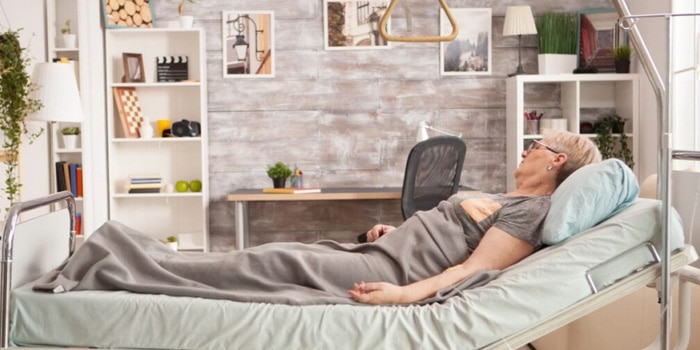
Specialist cleaning before hospital discharge can help prepare a home that is cleaner, more accessible, and easier for a returning resident, carers, and visiting professionals to use safely.
A person may be medically ready to leave hospital while their home still needs practical attention. Dirt, clutter, waste, blocked walkways, strong odours, mould, contaminated surfaces, or an unusable kitchen or bathroom can make the return more difficult.
These concerns are particularly important when the resident is older, physically unwell, living with reduced mobility, recovering after surgery, experiencing mental health difficulties, or returning to a property that has been neglected during their hospital stay.
Vamoose Cleaning Services supports families, housing officers, councils, social workers, community teams, hospital discharge units, and care professionals across London, Middlesex, Surrey, Sussex, and surrounding areas.
Our role is not to decide whether someone is medically ready for discharge. That decision belongs to the hospital and relevant health and social care professionals. Our role is to address the condition of the property and help create a cleaner, clearer, and more manageable environment before the resident returns.
What Is Specialist Cleaning Before Hospital Discharge?

Specialist cleaning before hospital discharge is a planned cleaning and property preparation service arranged before a resident returns home from hospital.
It may include ordinary deep cleaning, but it can also involve more complex work such as:
- Clearing blocked entrances and walkways
- Removing household waste and unwanted items
- Cleaning heavily soiled kitchens and bathrooms
- Sanitising frequently touched surfaces
- Reducing strong odours
- Addressing long term dirt and grease
- Cleaning rooms affected by neglect
- Removing clutter that restricts movement
- Cleaning around areas where mobility or care equipment will be placed
- Identifying areas that may require separate mould, pest, sharps, or biohazard treatment
The exact work depends on the resident, the property, the discharge date, and the concerns identified by the family or referring professional.
Some homes need a detailed one time clean. Others may require a more structured clearance and restoration project before they can be used comfortably again.
Why Does the Home Environment Matter Before Discharge?
Hospital discharge is not only about leaving a hospital bed. It is about moving to an environment that can support the next stage of recovery.
The official NHS guidance on planning to leave hospital explains that discharge planning may consider transport, care arrangements, medication, equipment, access to the home, and the support a person will need after returning.
The condition of the home can affect how easily these arrangements work.
For example, a walking frame is less useful if corridors are blocked by bags or furniture. A care worker may struggle to provide personal care if the bathroom is heavily soiled or inaccessible. A community nurse may not have a suitable clean area for equipment if every surface is covered.
A dirty or cluttered home can also place additional pressure on relatives who are already managing appointments, medication, food, transport, and communication with professionals.
Preparing the property early gives everyone a clearer understanding of what needs to happen before the resident returns.
A Clean Home Is Only One Part of a Safe Discharge
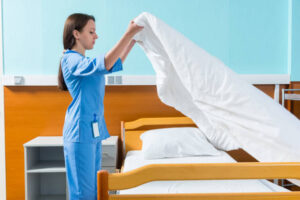
Cleaning should support the discharge plan, not replace it.
A specialist cleaning company cannot assess whether a resident is clinically ready to leave hospital. It cannot prescribe medication, arrange professional care, install medical equipment, approve adaptations, or decide whether a person can live independently.
These responsibilities may involve:
- Hospital discharge coordinators
- Occupational therapists
- Physiotherapists
- Social workers
- Community nurses
- Housing officers
- Mental health professionals
- Care agencies
- Family members and unpaid carers
- Local authority teams
The UK Government’s hospital discharge and community support guidance emphasises cooperation between NHS bodies, local authorities, adult social care, housing services, and other providers involved in the discharge process.
Where the property condition is part of the concern, specialist cleaners can contribute practical information about access, contamination, waste, room usability, and the scale of cleaning required.
Who May Need Specialist Cleaning Before Returning Home?
A discharge related clean can help in many different situations.
Older Residents and People Living With Frailty
An older resident may return home with reduced strength, balance, or mobility after an illness or hospital admission.
Dust and ordinary dirt may not be the main concern. The priority may be creating clear walking routes, cleaning the bathroom, preparing the bedroom, removing trip hazards, and making essential rooms easier to use.
It may also be necessary to clear space for a walking frame, commode, hospital bed, chair, mobility aid, or other equipment arranged by the discharge team.
Residents Recovering After Surgery
A person recovering from surgery may have temporary restrictions on movement, lifting, bending, or using stairs.
The home may need cleaning before the resident returns because they will not be able to manage household tasks during the early recovery period.
Priority areas commonly include the bedroom, bathroom, kitchen, entrance, and the route between these spaces.
People Returning After a Long Hospital Stay
A home can deteriorate while its resident is away.
Bins may have been left inside. Food may have expired. Refrigerators may need emptying. Dust can accumulate. Damp or mould may become visible. Pets may have affected floors or furniture. Utilities may have been switched off or left unchecked.
A property assessment can identify which areas require cleaning and which concerns should be referred to another specialist.
Residents With Reduced Mobility or Physical Disability
Even a moderate level of clutter can become a serious obstacle for someone who uses a wheelchair, frame, stick, or other mobility aid.
The cleaning plan should prioritise movement through the property rather than focusing only on appearance.
This may involve clearing doorways, widening routes, moving agreed items, cleaning floors thoroughly, and ensuring essential rooms can be entered without unnecessary obstruction.
People Experiencing Mental Health Difficulties
Depression, anxiety, trauma, obsessive behaviours, self neglect, and other mental health difficulties can affect a person’s ability to maintain their home.
The property should be approached without blame or judgement.
A rushed clearance can cause distress, particularly when items carry emotional significance. Where possible, decisions about belongings should involve the resident, an authorised representative, or the relevant support professional.
The goal is not to make the home look perfect. The goal is to address urgent health, hygiene, and access concerns while respecting the resident’s dignity.
Residents Affected by Hoarding
A hoarded property may contain large quantities of belongings, waste, expired food, damaged items, animal contamination, dust, mould, or hidden hazards.
It may also have blocked exits, restricted access to the bathroom, limited cooking facilities, or no clear place to sleep.
These situations usually require more than ordinary domestic cleaning. Vamoose provides compassionate hoarders cleaning services in London for families, support workers, landlords, councils, and housing associations dealing with complex property conditions.
The work can be planned in stages if a complete clearance would be inappropriate or too distressing.
Residents Returning to a Neglected Property
Some properties become severely neglected because of illness, disability, bereavement, isolation, addiction, safeguarding concerns, or a lack of practical support.
There may be built up grease, heavy staining, waste, odours, dirty sanitary facilities, unusable rooms, or surfaces that have not been cleaned for a long period.
In these cases, neglected property cleaning in London may be needed to restore basic hygiene and room usability before the resident returns.
What Should Be Checked Before the Cleaning Begins?
A useful assessment should look at how the resident will actually use the home.
The property should not be treated as an empty building. It is a personal living space that may soon be used by someone with different abilities and support needs than they had before entering hospital.
1. Entrance and Key Access
The first check is whether the resident and any support workers can enter the property.
Questions may include:
- Are the keys available?
- Is the entrance blocked?
- Can the door open fully?
- Is the pathway clear?
- Is there waste near the entrance?
- Can a wheelchair or walking frame pass through?
- Is there enough space for someone assisting the resident?
- Are internal doors accessible?
The entry route should be prioritised before cosmetic cleaning in less important rooms.
2. Hallways and Walking Routes
Clear routes may be needed between:
- The entrance and bedroom
- The bedroom and bathroom
- The bedroom and kitchen
- The main chair and toilet
- The entrance and any care equipment
Loose items, cables, bags, papers, unstable furniture, and waste can make movement more difficult.
Cleaners can remove rubbish and relocate agreed items, but decisions about personal belongings should be confirmed in advance.
3. Bedroom
The bedroom should provide enough space for the resident to rest and for carers to assist where required.
The assessment may consider:
- Whether the bed can be reached safely
- Whether bedding needs replacing or laundering
- Whether the floor is clear
- Whether bedside surfaces can be used
- Whether there is space for equipment
- Whether waste or food is present
- Whether there are strong odours
- Whether the room has excessive dust or contamination
If a hospital bed is being delivered, the equipment provider or discharge team should confirm the required space.
4. Bathroom and Toilet
The bathroom is often one of the most urgent areas.
A discharge related clean may include:
- Cleaning and sanitising the toilet
- Cleaning the sink, bath, shower, tiles, and floor
- Removing waste and empty containers
- Clearing the route into the room
- Cleaning handles, switches, rails, and other touch points
- Removing heavy limescale or grime where possible
- Checking for visible mould or leaks that need separate attention
Cleaning staff should not move or alter installed mobility equipment without agreement.
5. Kitchen and Food Storage
The kitchen should be assessed for immediate practical use.
This can include:
- Removing expired or spoiled food
- Emptying and cleaning the refrigerator if required
- Cleaning worktops and food preparation areas
- Cleaning the sink and taps
- Degreasing the cooker and nearby surfaces
- Washing accessible cupboards
- Removing rubbish
- Cleaning floors
- Creating one clear food preparation area
- Checking for pest evidence or serious contamination
The cleaning team should be told if food, medication, or labelled items must not be removed.
6. Living Area
The resident may spend much of their recovery time in one chair or one part of the living room.
That area should be clean, accessible, and free from unnecessary obstruction.
It may be helpful to clear a route to the bathroom, kitchen, front door, telephone, and any essential equipment.
7. Waste and Unwanted Items
Waste removal should be agreed before work starts.
The team needs to know:
- Which items are definitely rubbish
- Which belongings must be retained
- Who can authorise disposal
- Whether confidential documents are present
- Whether medication or medical items are present
- Whether there are sharps, needles, bodily fluids, or other hazards
- Whether large furniture needs removal
Cleaners should never assume that an item has no value simply because it appears damaged or unused.
8. High Touch Surfaces
Frequently touched areas may include:
- Door handles
- Light switches
- Taps
- Toilet handles
- Handrails
- Appliance handles
- Bedside tables
- Remote controls
- Cupboard handles
- Mobility equipment contact areas
These areas can be included in the cleaning plan, particularly when different carers and professionals will visit the home.
9. Mould, Damp, Pests, and Biohazards
Some concerns cannot be resolved through an ordinary deep clean.
Visible mould may indicate an underlying moisture or ventilation issue. Pest activity may require treatment before or after cleaning. Needles and sharps require controlled handling. Bodily fluids, sewage, human waste, or other contamination may require specialist equipment and disposal procedures.
The presence of a hazard should be disclosed during the first conversation wherever possible. This allows the cleaning company to assign the correct team, equipment, and cleaning method.
What Is the Difference Between General, Deep, Extreme, and Specialist Cleaning?
Not every hospital discharge property needs the same service.
General Cleaning
General cleaning focuses on routine tasks such as dusting, vacuuming, wiping surfaces, cleaning bathrooms, and mopping floors.
It may be suitable where the home is already maintained and only needs a refresh.
Deep Cleaning
Deep cleaning is more detailed.
It covers built up dirt, grease, limescale, appliances, cupboards, skirting boards, doors, frames, fittings, and areas that are often missed during routine cleaning.
Vamoose provides deep cleaning services across London for homes that need a thorough reset before they are occupied or used again.
Extreme Cleaning
Extreme cleaning is appropriate when the property has severe dirt, waste, odours, staining, contamination, or long term neglect.
It usually requires more time, stronger cleaning methods, additional protective equipment, and a structured room by room plan.
Specialist Cleaning
Specialist cleaning may include deep or extreme cleaning, but it also considers hazards, access, waste handling, sensitivity, and the circumstances of the resident.
For a hospital discharge case, the service may need coordination with a family member, housing officer, social worker, discharge coordinator, or another authorised professional.
How Does the Specialist Cleaning Process Work?
Every property is different, but a structured process helps avoid delays and misunderstandings.
Step 1: Initial Referral or Enquiry
The first contact may come from:
- A family member
- A hospital discharge professional
- A social worker
- A housing association
- A council officer
- A mental health team
- A community care provider
- A rehabilitation service
- A landlord or estate agent
Useful information includes the property location, discharge date, number of rooms, current condition, access arrangements, known hazards, and the result that needs to be achieved.
Photographs or a video may help with early planning where it is appropriate and consent has been obtained.
Step 2: Property Assessment
A viewing may be recommended for complex cases.
The assessment helps determine:
- The level of cleaning required
- Whether waste removal is needed
- Whether the property is accessible
- How many team members may be required
- What equipment and products are appropriate
- Whether hazardous materials are present
- Whether other services must be arranged first
- How long the work may take
- Which areas should be prioritised
A clear scope also supports accurate pricing.
Step 3: Agreement and Authorisation
Before removing belongings, the team should know who has authority to make decisions.
This may be the resident, a family representative, an attorney, a landlord, a council officer, or another authorised person.
The agreed plan should explain what will be cleaned, what may be removed, what must remain, and which rooms are most important.
Step 4: Clearance and Access
The team begins by making the property workable.
This may include removing confirmed waste, clearing walkways, moving agreed items, and making essential rooms accessible.
Where hoarding or emotional attachment is involved, the process may need to be slower and more selective.
Step 5: Deep Cleaning and Sanitisation
Once surfaces and rooms are accessible, detailed cleaning can begin.
Priority usually goes to the bathroom, kitchen, bedroom, entrance, and main walking routes.
The team may clean floors, walls where appropriate, fixtures, appliances, worktops, cupboards, doors, switches, sanitary areas, and other agreed surfaces.
Step 6: Odour Treatment and Final Details
Strong odours may come from waste, spoiled food, smoke, animals, damp, human waste, or long term neglect.
Cleaning can reduce many odours, but the source must be addressed. Fragrance alone does not resolve contamination or decay.
Step 7: Final Review
The agreed areas should be reviewed before the job is closed.
For professional referrals, it may be useful to confirm:
- Which areas were completed
- Whether access routes were cleared
- Whether waste was removed
- Whether any hazards remain
- Whether repairs or additional services are recommended
- Whether the property is ready for equipment delivery
The final decision about discharge suitability remains with the relevant health and care professionals.
Coordinating Cleaning With a Hospital Discharge Date
Discharge dates can change, sometimes with little notice.
Families and professional teams should contact the cleaning provider as early as possible, even if the date is provisional.
Early contact allows time to:
- Arrange access
- Inspect the property
- Obtain approval for costs
- Confirm waste removal
- Identify hazards
- Schedule the correct team
- Coordinate equipment delivery
- Prioritise essential rooms
- Plan further work if the home cannot be completed in one visit
A cleaning appointment should not be scheduled so tightly that there is no time to address an unexpected issue.
For example, removing clutter may reveal mould, damaged flooring, pest activity, or contamination that was previously hidden.
What If There Is Very Little Notice?
Some discharge referrals are urgent.
When time is limited, the work may need to focus on immediate priorities rather than the entire property.
A priority clean could concentrate on:
- Safe entry into the home
- A clear route to the bedroom and bathroom
- A clean place to sleep
- A usable toilet and washing area
- One clean food preparation space
- Removal of urgent waste
- Cleaning of frequently touched surfaces
- Space for essential equipment and carers
Additional rooms can be addressed later if agreed.
The referring person should provide as much accurate information as possible. Surprises at the property can delay the work or require a different service.
How Long Does Hospital Discharge Cleaning Take?
There is no fixed duration.
A maintained one bedroom flat may need several hours. A larger home with built up dirt may require a full day. A severely neglected or hoarded property may require several visits.
The timeframe can be affected by:
- Property size
- Number of rooms
- Level of dirt
- Amount of clutter
- Waste volume
- Access and parking
- Number of cleaners
- Presence of mould or pests
- Biohazard concerns
- Furniture removal
- Resident involvement
- Disposal requirements
- Whether utilities are available
An assessment is the most reliable way to estimate the time.
How Much Does Specialist Cleaning Before Hospital Discharge Cost?
The cost depends on the condition and scope of the property rather than the discharge itself.
Pricing may be influenced by:
- Labour hours
- Team size
- Cleaning intensity
- Waste volume
- Disposal charges
- Equipment required
- Hazard level
- Property access
- Parking and travel
- Urgency
- Additional treatments
A simple deep clean will generally cost less than a clearance involving heavy waste, severe contamination, odour treatment, and multiple team members.
To receive a useful estimate, provide photographs, room details, access information, the property postcode, and a description of any known hazards.
Who Can Arrange and Pay for the Cleaning?
Cleaning may be arranged by the resident, a relative, an authorised representative, a landlord, a housing association, a council team, or another organisation.
Payment responsibility should be confirmed before the job is booked.
A hospital arranging discharge does not automatically mean that the NHS will pay for private cleaning. Funding decisions depend on the resident’s circumstances, local arrangements, statutory responsibilities, available support, and the organisation making the referral.
Families should ask the relevant discharge or social care professional whether any support may be available before agreeing to private costs.
Supporting Professional Referrers
Vamoose works with both private clients and organisations.
Professional referrers may need a cleaning company that can communicate clearly, respect confidentiality, follow an agreed scope, and work sensitively in vulnerable households.
We can support enquiries from:
- Hospital discharge units
- Social services
- Mental health teams
- Community rehabilitation teams
- Drug and alcohol support services
- Domestic violence services
- Housing associations
- Local councils
- Learning disability services
- Estate agents
- Probate solicitors
- Funeral homes
- Emergency services
Where possible, the referral should identify one person who can approve changes and answer questions during the work.
Specialist Cleaning Across London and Surrounding Counties
Vamoose Cleaning Services is based in Ruislip, Middlesex, and provides specialist cleaning across London and nearby counties.
Our service area includes West London, North West London, Hillingdon, Uxbridge, Harrow, Ealing, Hounslow, Brent, Watford, Middlesex, Surrey, Sussex, and surrounding locations.
London properties can present practical challenges such as restricted parking, flats without lifts, narrow staircases, controlled access, limited waste storage, and busy communal areas.
Providing the full address and access details at the enquiry stage helps the team plan appropriately.
A Practical Checklist Before the Resident Returns
Use this checklist with the discharge team, family, landlord, or housing provider.
Access
□ Keys are available
□ The entrance can be opened fully
□ The route into the home is clear
□ Hallways are free from urgent obstruction
□ Essential internal doors can be accessed
Bedroom
□ The bed area is clean and reachable
□ Clean bedding is available
□ The floor is clear
□ There is space for required equipment
□ Bedside surfaces are usable
Bathroom
□ The toilet is clean and working
□ The sink and washing area are accessible
□ The floor is clean and clear
□ Mobility equipment can be used safely
□ Waste has been removed
Kitchen
□ Spoiled food has been removed
□ One preparation surface is clean
□ The sink is usable
□ Essential appliances are accessible
□ The floor and route into the kitchen are clear
General Property Condition
□ Household waste has been removed
□ Strong odours have been investigated
□ Visible mould has been reported
□ Pest concerns have been reported
□ Sharps or biohazards have been disclosed
□ High touch surfaces have been cleaned
□ There is enough space for carers and visiting professionals
Coordination
□ The discharge date has been shared
□ The authorised decision maker is known
□ Cleaning access has been arranged
□ Equipment delivery has been considered
□ Remaining risks have been reported to the discharge team
Frequently Asked Questions About Specialist Cleaning Before Hospital Discharge
What is specialist cleaning before hospital discharge?
Specialist cleaning before hospital discharge prepares a home for a resident who is returning after medical treatment or a hospital stay. It may include deep cleaning, waste removal, clutter clearance, sanitisation, odour reduction, and preparation of accessible routes and essential rooms.
Is professional cleaning required before every hospital discharge?
No. Many people return to homes that only need normal household preparation. Specialist cleaning is more relevant when dirt, clutter, waste, neglect, contamination, mould, hoarding, or restricted access could affect the resident or visiting carers.
Who decides whether the home is safe for hospital discharge?
The relevant hospital, health, social care, and housing professionals make decisions about the discharge plan. A cleaning company can report on the work completed and any property concerns observed, but it does not provide clinical approval.
Can you clean the home while the resident is still in hospital?
Yes, provided access and permission have been arranged by an authorised person. Cleaning before the resident returns can reduce disruption and allow the team to work through urgent areas more efficiently.
Can you remove unwanted furniture and household waste?
Waste and unwanted items can be removed when this is included in the agreed scope. The person authorising the work must clearly identify what can be disposed of, particularly in sensitive, hoarded, or probate related properties.
What if the home contains needles or bodily fluids?
Tell the cleaning company before the appointment. Sharps, bodily fluids, sewage, human waste, and other hazardous materials may require specialist handling, protective equipment, controlled disposal, and a different cleaning plan.
Can you help when hoarding is linked to mental health?
Yes. The work should be approached with patience, dignity, and respect for the resident’s belongings. Depending on the circumstances, the clean may be completed in stages with input from the resident, family, housing officer, or mental health professional.
How much notice should we provide?
Contact the cleaning company as soon as discharge is being discussed. Early notice allows time for assessment, access planning, approval, waste arrangements, and coordination with equipment or care services.
Do you cover areas outside Ruislip?
Yes. Vamoose provides specialist cleaning across London and surrounding counties, including Middlesex, Surrey, Sussex, Watford, and nearby areas.
Can specialist cleaning guarantee that the resident will not return to hospital?
No. Cleaning cannot guarantee a medical outcome or prevent readmission. It can address property related hygiene, access, clutter, and cleanliness concerns as one part of a wider care and discharge plan.
Prepare the Home Before the Discharge Date Becomes Urgent
A discharge date can arrive quickly, but the condition of a property may require more than a few hours of ordinary cleaning.
Speaking to a specialist cleaning company early gives families and professional teams time to assess the home, agree priorities, arrange access, obtain a clear estimate, and identify concerns that may need additional support.
Vamoose Cleaning Services provides discreet and compassionate specialist cleaning from its base in Ruislip, serving homes across London, Middlesex, Surrey, Sussex, and surrounding areas.
Call 01895 717 115 and explain the property condition, location, expected discharge date, access arrangements, and any known hazards. Our team can help identify the appropriate level of cleaning and the next practical step.
You can also view Vamoose Cleaning Services on Google for location information and customer feedback.