
Specialist cleaning projects require careful preparation before any cleaning begins. Unlike a standard domestic clean, specialist cleaning often involves properties affected by severe neglect, hoarding, contamination, biohazards, trauma situations, or long term deterioration. Before a team enters the property with equipment and cleaning materials, a detailed assessment and planning process takes place.
The preparation stage determines how safely and effectively the cleaning work can be completed. A professional specialist cleaning company does not simply arrive and start removing items or applying cleaning products. The team first needs to understand the condition of the property, identify possible risks, decide the correct approach, and prepare the resources required for the situation.
This structured process protects occupants, property owners, cleaning professionals, and anyone who may enter the property after the work is completed.
For homeowners, landlords, housing organisations, and property managers, understanding what happens before specialist cleaning begins can make the process clearer and less stressful.
Initial Contact and Understanding the Cleaning Situation
The first stage begins when a property owner or responsible person contacts a specialist cleaning company. During the initial conversation, the cleaning team gathers important information about the property and the reason specialist support is required.
The purpose of this discussion is not to judge the condition of the property. Specialist cleaning companies deal with challenging environments every day and understand that many situations develop because of circumstances outside a person’s control.
The team usually asks questions about:
- The type of property
• The size of the property
• The number of rooms affected
• How long the issue has existed
• The type of cleaning required
• Any known health or safety concerns
• Whether anyone is currently living at the property
• Access arrangements
This information allows the company to understand the scale of the work before arranging the next step.
A property affected by mild neglect requires a different approach compared with a property involving extensive waste accumulation, biological contamination, or severe hoarding conditions.
Property Assessment Before Cleaning Begins
One of the most important stages before specialist cleaning starts is the property assessment.
A professional assessment allows the cleaning team to inspect the environment and determine exactly what is required. This may take place through an in person visit, depending on the circumstances and level of cleaning needed.
During the assessment, specialists evaluate:
- Overall property condition
• Areas requiring attention
• Potential hazards
• Amount of waste or clutter
• Cleaning requirements
• Equipment needed
• Number of team members required
• Estimated timeframe
The assessment creates a clear plan rather than relying on assumptions.
Every property is different. A two bedroom property affected by years of neglect may require a completely different process from a larger property affected by hoarding or contamination.
Identifying Health and Safety Risks
Before any specialist cleaning work begins, potential risks must be identified.
Safety is one of the biggest differences between specialist cleaning and normal cleaning. A standard cleaner may focus mainly on appearance and hygiene, while a specialist cleaning team must consider risks that may not be immediately visible.
Possible risks include:
Biological Contamination
Properties may contain biological hazards caused by:
- Bodily fluids
• Animal waste
• Human waste
• Decomposition materials
• Contaminated surfaces
These situations require specialist procedures to prevent exposure.
Structural and Physical Hazards
A property may contain:
- Unstable items
• Broken furniture
• Sharp objects
• Damaged flooring
• Blocked pathways
• Unsafe access areas
Before work begins, the team identifies these hazards and determines the safest way to proceed.
Environmental Risks
Other issues may include:
- Mould growth
• Pest infestation
• Strong chemical smells
• Poor ventilation
• Excessive dust
Identifying these risks allows the cleaning team to prepare suitable protective equipment and cleaning methods.
Creating a Specialist Cleaning Plan
After assessing the property, the team develops a cleaning plan based on the specific requirements.
The plan outlines:
- Areas requiring cleaning
• Priority tasks
• Required equipment
• Waste removal requirements
• Sanitisation procedures
• Estimated completion time
• Safety measures
A structured plan prevents problems during the cleaning process and ensures important areas are not overlooked.
For example, a neglected property may require:
- Removal of accumulated waste
- Sorting of belongings
- Deep cleaning of surfaces
- Odour treatment
- Sanitisation
- Final inspection
A hoarding situation may require a different approach involving communication, careful decision making, and gradual restoration of living spaces.
Choosing the Correct Equipment and Cleaning Materials
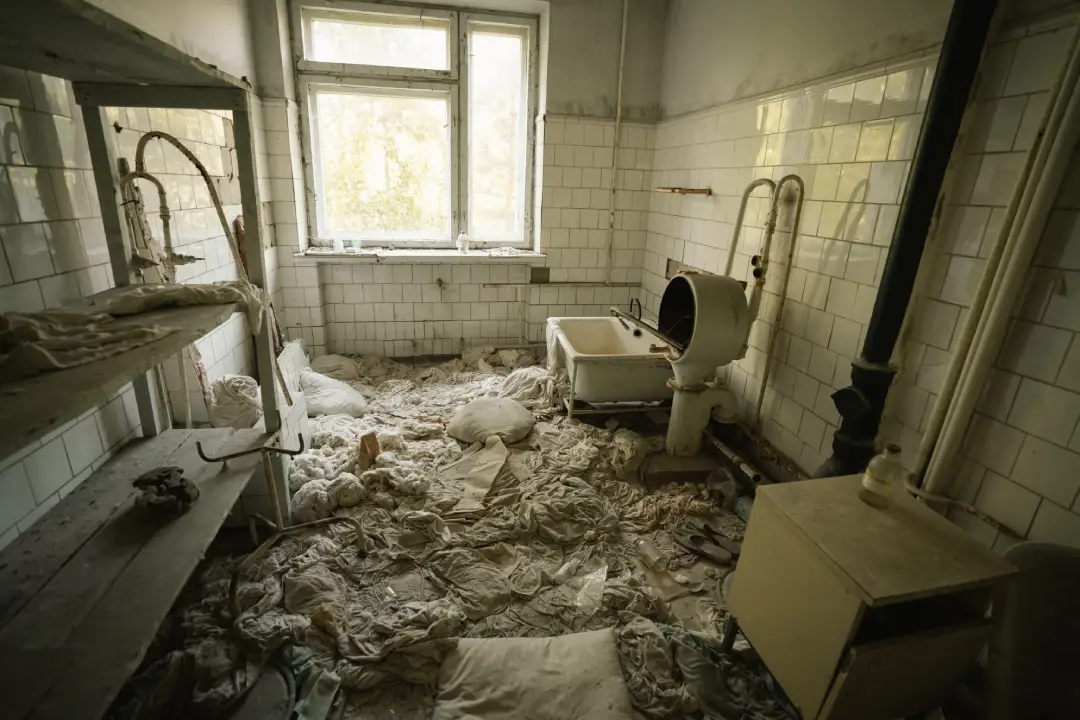
Specialist cleaning teams prepare equipment based on the condition of the property.
Before arriving, professionals determine what resources are needed to complete the work safely.
This may include:
- Protective clothing
• Specialist cleaning solutions
• Industrial cleaning equipment
• Waste removal materials
• Disinfection products
• Odour treatment equipment
• Safety supplies
Using the correct equipment is essential because some cleaning situations cannot be handled effectively with standard household products.
For example, strong odours caused by contamination usually require treatment at the source rather than temporary masking with fragrances.
Preparing the Cleaning Team
Before starting work, the cleaning team receives information about the property and the planned process.
Team preparation includes:
- Understanding the cleaning objectives
• Reviewing safety procedures
• Confirming equipment requirements
• Assigning responsibilities
• Planning access routes
Each team member needs to understand their role, especially in complex cleaning situations where multiple stages are involved.
Professional preparation improves efficiency and reduces unnecessary disruption.
Establishing Access and Site Arrangements
Before cleaning begins, practical arrangements are confirmed.
These include:
- How the team will access the property
• Parking arrangements
• Availability of keys
• Areas requiring restricted access
• Waste collection arrangements
• Communication with property owners
Clear access arrangements help the cleaning process run smoothly.
For landlords and property managers, this stage is particularly important because specialist cleaning may need coordination with other services such as maintenance teams, contractors, or property representatives.
Handling Personal Belongings Before Cleaning
In many specialist cleaning situations, personal belongings require careful consideration.
This is especially important in properties affected by hoarding, bereavement, or long term neglect.
Before removing anything, the cleaning team establishes:
- Which items should remain
• Which items require disposal
• Which belongings need protection
• Whether family members or owners need to make decisions
Professional cleaners understand that belongings may have emotional or financial value.
The purpose of specialist cleaning is not simply to clear a property. It is to restore a safe environment while respecting the people connected to it.
Managing Hoarding Situations Before Specialist Cleaning Begins
Hoarding related cleaning requires additional preparation because the condition of the property is often connected to personal circumstances, emotional attachments, and long term accumulation of belongings.
Before any cleaning begins, a specialist team needs to understand the situation carefully. A rushed approach can create unnecessary distress and may prevent long term improvement.
The preparation stage usually involves:
- Understanding the level of clutter
• Identifying unsafe areas
• Establishing clear priorities
• Discussing important belongings
• Creating a realistic cleaning plan
A professional hoarding cleaning approach focuses on restoring safe living conditions while treating the property and occupants with respect.
Vamoose provides specialist hoarding cleaning services for properties where excessive clutter, hygiene concerns, and safety issues require professional support.
Before starting work, the team considers:
Access and Movement Through the Property
Heavy clutter can block:
- Doorways
• Hallways
• Staircases
• Bedrooms
• Bathrooms
• Emergency exits
The first priority is often creating safe access routes so the team can work efficiently.
Safety Around Stored Items
Accumulated belongings may create hidden risks.
Potential concerns include:
- Unstable piles of items
• Sharp objects
• Expired food
• Pest activity
• Damaged materials
The team prepares methods to manage these risks safely.
Communication With Property Owners and Families
Specialist cleaners understand that hoarding situations can involve emotional challenges.
Before removing items, the team establishes communication guidelines.
This helps ensure:
- Important possessions are protected
• Decisions are made appropriately
• The process remains respectful
The objective is not simply clearing a property. The objective is creating a safe and usable home environment.
Risk Assessment and Safety Planning
A risk assessment is a key part of specialist cleaning preparation.
Before work begins, professionals identify possible hazards and decide how they will be controlled.
A risk assessment may consider:
Health Risks
The team checks for:
- Biological contamination
• Mould exposure
• Animal waste
• Pest contamination
• Poor air quality
These factors determine what protective measures are required.
Physical Risks
The property may contain:
- Heavy objects
• Broken materials
• Unsafe flooring
• Restricted access areas
The team plans how to handle these safely.
Cleaning Risks
Some materials require specific treatment.
Examples include:
- Contaminated surfaces
• Strong odours
• Stained materials
• Damaged furniture
Using unsuitable cleaning methods can make problems worse.
A professional specialist cleaning company chooses methods based on the condition of the property rather than applying the same process to every situation.
The UK Health and Safety Executive provides guidance on workplace risk management and controlling exposure to hazardous substances.
Preparing Waste Removal Procedures
Many specialist cleaning projects involve some level of waste removal.
Before removing waste, the team determines:
- What materials are present
• How much waste needs removal
• Whether specialist disposal is required
• How waste will be transported
Different waste types may require different handling methods.
Examples include:
- General household waste
• Damaged furniture
• Contaminated materials
• Organic waste
• Items affected by pests
Proper preparation ensures waste is removed safely and responsibly.
For properties affected by severe neglect, waste removal is often only one stage of the restoration process. After removal, the property may still require deep cleaning, sanitisation, and odour treatment.
Preparing Specialist Cleaning Equipment
A professional team arrives with equipment selected specifically for the property condition.
Before attending the site, cleaners prepare:
Personal Protective Equipment
Depending on the situation, this may include:
- Gloves
• Protective suits
• Masks or respiratory protection
• Safety footwear
The level of protection depends on the risks identified during assessment.
Cleaning Equipment
Specialist projects may require:
- Industrial vacuum systems
• Professional disinfecting equipment
• Steam cleaning equipment
• Odour treatment systems
• Waste handling equipment
The correct equipment allows the team to complete work more effectively.
Communication Before the Cleaning Date
Clear communication before the cleaning appointment helps prevent delays.
The cleaning company confirms:
- Date and time of arrival
• Expected duration
• Required access arrangements
• Any final information about the property
For landlords and organisations, communication may also involve:
- Property managers
• Maintenance teams
• Housing representatives
• Contractors
Good coordination ensures everyone understands the process.
What Happens When the Specialist Cleaning Team Arrives?
When the cleaning team arrives at the property, work does not immediately begin.
The first step is usually a final review.
The team confirms:
- Property condition
• Safety concerns
• Cleaning priorities
• Equipment placement
• Work sequence
This allows the team to adjust the plan if anything has changed since the initial assessment.
A professional approach ensures that cleaning begins safely and efficiently.
Setting Up the Work Area
Before cleaning starts, the team prepares the working environment.
This may include:
- Setting up equipment
• Protecting unaffected areas
• Creating waste collection points
• Establishing safe movement routes
Preparation helps prevent unnecessary damage and keeps the process organised.
Starting With Priority Areas
Specialist cleaning usually begins with the areas that create the biggest safety concerns.
Examples include:
- Blocked entrances
• Hazardous areas
• Contaminated rooms
• Essential living spaces
The order depends on the property assessment.
For example, in a severely cluttered home, creating safe access may happen before detailed cleaning begins.
In a contamination situation, sanitisation procedures may become the first priority.
Why Preparation Makes Specialist Cleaning More Effective
The preparation stage may seem extensive, but it is essential.
Without proper planning, cleaning teams may face:
- Safety problems
• Delays
• Incorrect cleaning methods
• Increased costs
• Incomplete restoration
A prepared approach creates better results because the team understands the property before starting work.
Specialist cleaning is not only about making a property look cleaner. It is about restoring safety, hygiene, and usability.
How Preparation Helps Property Owners and Landlords
For property owners, preparation provides several benefits.
Better Cost Control
A clear assessment helps identify the actual level of work required.
This reduces the risk of unexpected problems during the cleaning process.
Faster Completion
When equipment, staff, and procedures are prepared in advance, the team can work more efficiently.
Improved Results
A structured approach ensures that important areas receive the attention they need.
For landlords, this can help return properties to a suitable condition faster.
Why Vamoose Cleaning Services Uses a Specialist Approach
Vamoose Cleaning Services understands that difficult properties require more than standard cleaning methods.
The company specialises in challenging environments where detailed planning, professional equipment, and a sensitive approach are required.
Vamoose supports clients dealing with:
- Extreme cleaning requirements
• Neglected properties
• Hoarding situations
• Sensitive cleaning circumstances
The focus is on safe restoration through professional processes.
For properties requiring significant restoration, Vamoose provides extreme deep cleaning services designed for situations where normal cleaning methods are not enough.
What Happens After the Preparation Stage Is Complete?
Once the assessment, planning, safety checks, and equipment preparation are completed, the specialist cleaning process can begin.
The preparation stage ensures that the cleaning team understands the property, the risks involved, and the correct approach. This allows the work to be completed in a controlled and organised way.
Unlike standard cleaning, specialist cleaning is usually completed in stages. Each stage has a specific purpose, from removing hazards to restoring hygiene and usability.
The exact process depends on the condition of the property, but a typical specialist cleaning project may involve the following steps.
Stage 1: Removing Waste, Clutter, and Unwanted Materials
In many specialist cleaning situations, the first practical step is removing materials that prevent access or create safety concerns.
This may include:
- Household waste
• Damaged furniture
• Excess belongings
• Contaminated materials
• Items affected by pests
Waste removal is completed carefully because some materials may require special handling.
The team works according to the agreed plan created during the assessment stage.
For hoarding situations, this process requires additional care because belongings may have personal importance. Professional cleaners focus on creating a safe environment while respecting decisions made by owners or families.
Stage 2: Deep Cleaning of Affected Areas
After access has been improved and waste has been managed, the team begins detailed cleaning.
This may include:
- Cleaning floors
• Sanitising surfaces
• Removing stains
• Cleaning kitchens and bathrooms
• Treating affected areas
• Cleaning difficult access spaces
The purpose is to remove accumulated dirt, bacteria, contamination, and substances that standard cleaning cannot effectively address.
Specialist cleaners use professional techniques based on the condition of the property.
Stage 3: Sanitisation and Hygiene Restoration
Sanitisation is an important part of specialist cleaning, particularly when properties have been affected by contamination or poor hygiene conditions.
The team focuses on reducing risks from:
- Bacteria
• Viruses
• Organic contamination
• Unpleasant odours
• Harmful residues
This stage helps create a healthier environment for future occupants.
For properties requiring professional restoration after neglect, Vamoose provides neglected property cleaning services designed to address difficult cleaning conditions.
Stage 4: Odour Treatment and Final Restoration
Persistent odours are often caused by deeper issues rather than surface dirt.
Specialist cleaning teams identify the source before treatment begins.
Possible causes include:
- Waste accumulation
• Damp conditions
• Animal contamination
• Smoke damage
• Long term neglect
Odour treatment may involve:
- Deep cleaning affected areas
• Removing contaminated materials
• Professional deodorisation methods
• Treating surfaces and fabrics
The goal is to remove the cause of the smell rather than temporarily covering it.
Final Inspection Before Completion
Before the cleaning project is considered complete, a final inspection takes place.
The team checks:
- Completed cleaning areas
• Remaining concerns
• Hygiene standards
• Property accessibility
• Client requirements
This final stage ensures that the agreed work has been completed properly.
A professional specialist cleaning company understands that the goal is not simply finishing the job. The goal is achieving a safe and usable property.
How Long Does Specialist Cleaning Take?
The timeframe for specialist cleaning depends on several factors.
Important factors include:
Property Size
A larger property generally requires more time because there are more areas to assess and clean.
Level of Damage or Neglect
A property affected by years of neglect will usually require more work than a property with minor cleaning issues.
Type of Cleaning Required
Different situations require different processes.
For example:
- Extreme deep cleaning may require detailed restoration work.
• Hoarding cleaning may require careful sorting and staged progress.
• Biohazard cleaning may require strict safety procedures.
Amount of Preparation Required
Properties with significant hazards often require additional preparation before cleaning can safely begin.
A professional assessment provides the most accurate estimate.
What Should Property Owners Expect During Specialist Cleaning?
Property owners should expect a professional and structured process.
A specialist cleaning team should provide:
Clear Communication
The company should explain:
- What work will be completed
• How long the process may take
• What preparation is required
• What results can realistically be expected
Respect for the Property
Specialist cleaning often involves personal spaces and difficult circumstances.
Professional teams work carefully and respectfully throughout the process.
Professional Standards
The team should follow appropriate procedures for:
- Safety
• Cleaning methods
• Waste handling
• Equipment use
What Should Landlords Expect From Specialist Cleaning?
Landlords often use specialist cleaning services when preparing properties for future tenants.
A professional cleaning process can help landlords address:
- Severe tenant damage
• Abandoned properties
• Unhygienic conditions
• Strong odours
• Neglected areas
Specialist cleaning can reduce delays by restoring the property more efficiently than attempting multiple standard cleaning services.
For landlords, property managers, and housing organisations, using an experienced specialist cleaning company provides confidence that challenging situations are being handled correctly.
Why Specialist Cleaning Requires Experience
Specialist cleaning is not simply a more intensive version of normal cleaning.
It requires knowledge of:
- Risk assessment
• Safe working procedures
• Specialist equipment
• Waste handling
• Sensitive communication
• Restoration methods
A cleaner without specialist experience may not recognise hidden risks or know the correct procedures for complex situations.
This is why choosing the right cleaning provider is important.
Why Vamoose Cleaning Services Is the Right Choice for Challenging Properties
Vamoose Cleaning Services focuses on properties where ordinary cleaning solutions are not enough.
The company provides professional support for difficult cleaning situations through:
Specialist Knowledge
Vamoose understands the challenges involved in:
- Hoarding situations
• Extreme cleaning projects
• Neglected properties
• Sensitive environments
Respectful Service
Many specialist cleaning situations involve personal circumstances.
Vamoose provides a discreet and respectful approach, focusing on solutions rather than judgement.
Structured Cleaning Process
From initial assessment to final inspection, the process is organised around safety, efficiency, and quality.
This helps clients understand what will happen before, during, and after cleaning work.
Frequently Asked Questions
What happens before a specialist cleaning team starts work?
Before work begins, a specialist cleaning team assesses the property, identifies risks, prepares a cleaning plan, selects equipment, and confirms safety procedures.
Why is a property assessment necessary before cleaning?
A property assessment helps identify the level of cleaning required, possible hazards, and the resources needed to complete the work safely.
Do specialist cleaners remove waste and clutter?
Yes. Depending on the service required, specialist cleaners may remove waste, unwanted materials, and items that prevent safe access to the property.
Is specialist cleaning suitable for hoarding properties?
Yes. Specialist cleaning is often required for hoarding situations because they involve unique challenges involving clutter, safety risks, and emotional considerations.
Can landlords use specialist cleaning services?
Yes. Landlords often use specialist cleaning services for abandoned properties, severe tenant damage, neglected homes, and properties requiring restoration before re-letting.
How is specialist cleaning different from deep cleaning?
Deep cleaning focuses on detailed cleaning of a maintained property. Specialist cleaning is designed for properties with complex challenges such as hazards, contamination, severe neglect, or extreme conditions.
Conclusion
Before a specialist cleaning team starts work on a property, significant preparation takes place. Assessment, risk identification, planning, equipment selection, and communication all help ensure the cleaning process is safe and effective.
Specialist cleaning is designed for situations where normal cleaning methods are no longer enough. Whether a property has been affected by hoarding, neglect, contamination, or long term deterioration, professional preparation is the foundation of successful restoration.
Vamoose Cleaning Services provides specialist cleaning support for challenging properties with a structured, respectful, and safety focused approach. By understanding the condition of each property before work begins, the team can deliver a more effective cleaning solution and help restore safe, functional spaces.