
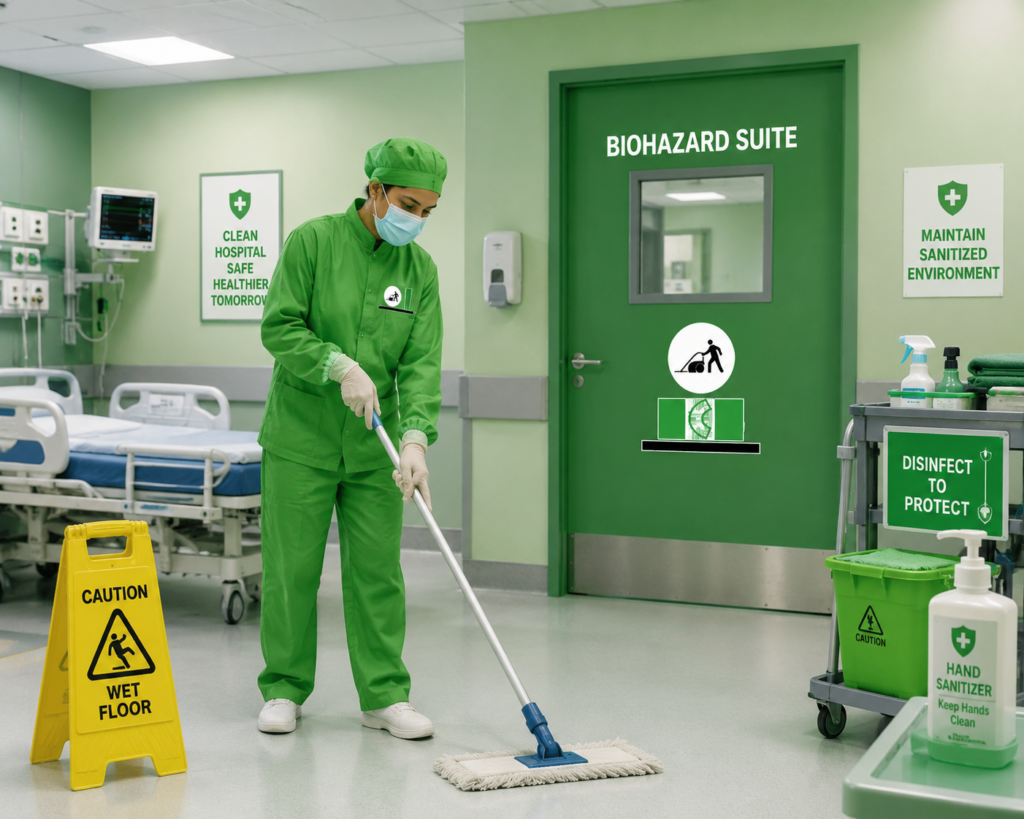
Many people use the terms deep cleaning and extreme deep cleaning interchangeably, but they describe two different levels of cleaning support.
A deep clean is designed for properties that are generally maintained but require more detailed attention than regular cleaning. It focuses on removing built up dirt, improving hygiene, and reaching areas that are often missed during routine cleaning.
Extreme deep cleaning is designed for properties where normal cleaning methods are no longer enough. These situations may involve severe neglect, heavy contamination, excessive clutter, long term abandonment, or conditions that require specialist equipment and planning.
Understanding the difference between these services helps homeowners, landlords, and property managers choose the correct cleaning solution for their situation.
Choosing the wrong service can result in incomplete cleaning, additional costs, and delays in restoring the property.
A professional assessment helps determine whether a property requires a detailed deep clean or a more intensive extreme deep cleaning approach.
What Is Deep Cleaning?
Deep cleaning is a detailed cleaning service that goes beyond everyday household maintenance.
A standard cleaning service usually focuses on visible areas such as:
- Floors
• Kitchen surfaces
• Bathroom fixtures
• Dust removal
• General tidying
Deep cleaning goes further by targeting areas that are not regularly cleaned.
This may include:
- Inside cupboards
• Behind appliances
• Skirting boards
• Hard to reach surfaces
• Detailed bathroom cleaning
• Kitchen grease removal
• Floor treatment
Deep cleaning is suitable for properties that have been occupied and maintained but need additional attention.
Examples include:
- Seasonal cleaning
• Preparing a property for sale
• Moving into a new home
• End of tenancy preparation
• Improving overall hygiene
A deep clean improves the condition of a property by removing accumulated dirt and improving cleanliness.
However, it is not designed for properties with severe damage, hazardous conditions, or extensive neglect.
What Is Extreme Deep Cleaning?
Extreme deep cleaning is a specialist cleaning service designed for properties that require a much higher level of intervention.
These properties often have conditions that cannot be managed effectively through normal cleaning methods.
Extreme deep cleaning may be required for:
- Severely neglected properties
• Long abandoned homes
• Properties with excessive waste
• Hoarding situations
• Heavy contamination
• Homes affected by significant lifestyle changes
The focus is not only cleaning visible surfaces. The process involves restoring the property to a safe and usable condition.
Extreme deep cleaning often requires:
- Detailed property assessment
• Safety planning
• Specialist equipment
• Professional cleaning products
• Waste management procedures
• Sanitisation processes
Vamoose provides extreme deep cleaning services for properties where standard cleaning approaches are not sufficient.
The Main Difference Between Deep Cleaning and Extreme Deep Cleaning
The biggest difference between deep cleaning and extreme deep cleaning is the condition of the property.
Deep cleaning is suitable when:
- The property is generally maintained
• Dirt has accumulated over time
• Areas need detailed attention
• No major hazards are present
Extreme deep cleaning is required when:
- The property has been neglected for a long period
• There are health or safety concerns
• Waste accumulation is significant
• Specialist procedures are needed
The difference is not simply the amount of cleaning required. It is the complexity of the situation.
Comparing Deep Cleaning and Extreme Deep Cleaning
| Deep Cleaning | Extreme Deep Cleaning |
| Suitable for maintained properties | Suitable for severely affected properties |
| Focuses on detailed hygiene improvement | Focuses on restoration and recovery |
| Handles built up dirt and grime | Handles severe neglect and complex conditions |
| Usually no major safety risks | May involve health and safety risks |
| Uses standard professional equipment | Uses specialist equipment and procedures |
| Shorter completion times | Requires detailed planning and assessment |
When Does a Property Need Deep Cleaning?
A property may benefit from deep cleaning when normal cleaning has not been completed regularly.
Common situations include:
Preparing a Property Before Moving In
A new homeowner may want a detailed clean before occupying a property.
Deep cleaning can address:
- Previous occupant residue
• Kitchen build up
• Bathroom deposits
• Dust accumulation
This creates a cleaner environment before moving furniture and personal belongings into the home.
Preparing a Property for Sale
A clean property creates a better impression for potential buyers.
Deep cleaning can improve:
- Presentation
• Hygiene
• Overall appearance
It can help highlight the positive features of the property.
End of Tenancy Cleaning
Landlords often require detailed cleaning between tenants.
A deep clean can address:
- Kitchen areas
• Bathrooms
• Floors
• Surfaces
However, if the property has been seriously damaged or neglected, a standard end of tenancy clean may not be enough.
When Does a Property Need Extreme Deep Cleaning?
Extreme deep cleaning becomes necessary when the property condition goes beyond normal maintenance.
Signs include:
Long Term Neglect
Properties left unmanaged for extended periods may develop serious problems.
Examples include:
- Heavy dirt accumulation
• Strong odours
• Damaged surfaces
• Waste build up
• Poor hygiene conditions
These properties require restoration rather than routine cleaning.
Severe Clutter and Hoarding
Hoarding situations often require specialist cleaning because clutter affects safety and access.
Problems may include:
- Blocked rooms
• Restricted movement
• Hidden contamination
• Pest activity
Vamoose offers hoarding cleaning services using a careful and respectful approach.
Properties Left Empty for Years
Vacant properties can deteriorate without regular maintenance.
Possible issues include:
- Dust layers
• Mould growth
• Damp problems
• Pest activity
• Strong odours
These properties often require more than normal cleaning.
Areas Covered During Deep Cleaning and Extreme Deep Cleaning
The areas treated during a cleaning project depend on the condition of the property. While both services involve detailed cleaning, the level of work and methods used are different.
What Is Included in a Deep Cleaning Service?
A deep cleaning service focuses on improving hygiene and removing accumulated dirt from a maintained property.
Typical areas include:
Kitchen Deep Cleaning
Kitchen areas often require detailed cleaning because grease, food residue, and bacteria can build up over time.
Deep cleaning may include:
- Cleaning cabinet surfaces
• Degreasing appliances
• Cleaning splashbacks
• Removing food residue
• Cleaning sinks and taps
• Treating floors
Bathroom Deep Cleaning
Bathrooms require careful attention because moisture and regular use can lead to deposits and bacteria build up.
Cleaning may include:
- Shower and bath areas
• Tiles and grout
• Toilets
• Sinks
• Mirrors
• Hard water marks
Living Areas and Bedrooms
Deep cleaning may include:
- Dust removal
• Skirting boards
• Furniture surfaces
• Doors and frames
• Floor cleaning
• Hard to reach areas
The purpose is to improve cleanliness and restore a fresh condition.
What Is Included in Extreme Deep Cleaning?
Extreme deep cleaning involves a more intensive approach because the property condition is usually more challenging.
The process may include:
Waste and Clutter Removal
In severely affected properties, cleaning cannot begin until access is restored.
This may involve:
- Removing accumulated waste
• Clearing blocked areas
• Removing damaged materials
• Creating safe pathways
This stage requires planning because some materials may require careful handling.
Heavy Soil and Contamination Removal
Extreme cleaning may involve removing:
- Years of accumulated dirt
• Biological contamination
• Strong odours
• Stained surfaces
• Difficult residue
Specialist methods are used depending on the situation.
Full Property Restoration Cleaning
The goal is to make the property safe and functional again.
This may include:
- Deep sanitisation
• Odour treatment
• Surface restoration
• Floor cleaning
• Kitchen and bathroom recovery
Extreme deep cleaning focuses on recovery rather than simple appearance improvement.
Health and Safety Differences Between Deep Cleaning and Extreme Deep Cleaning
One of the biggest differences between these services is the level of risk involved.
A normal deep clean usually takes place in a property where:
- People can safely move around
• Rooms are accessible
• No significant hazards exist
Extreme deep cleaning may involve:
- Unsafe environments
• Contaminated materials
• Waste accumulation
• Structural concerns
• Poor air quality
Before extreme cleaning begins, professionals assess the risks and prepare appropriate safety procedures.
The UK Health and Safety Executive provides guidance on managing risks and controlling exposure to hazardous substances in workplaces.
External authority link: https://www.hse.gov.uk/
Why Extreme Deep Cleaning Requires Specialist Equipment
The equipment used for extreme deep cleaning is often different from standard professional cleaning tools.
A specialist team may require:
- Industrial cleaning equipment
• Professional disinfectants
• Protective equipment
• Waste handling tools
• Odour treatment systems
The correct equipment improves safety and allows cleaners to deal with difficult conditions effectively.
For example, removing deep contamination requires more than household cleaning products. The cleaning method must match the type of problem.
The Role of Assessment Before Extreme Deep Cleaning
A professional assessment is usually required before extreme deep cleaning begins.
During assessment, specialists consider:
Property Condition
The team evaluates:
- Level of neglect
• Affected areas
• Accessibility
• Cleaning requirements
Safety Concerns
They identify:
- Potential hazards
• Contamination risks
• Required protection
Cleaning Plan
The team determines:
- Work sequence
• Equipment needed
• Estimated timeframe
This preparation helps avoid unexpected problems during the cleaning process.
Deep Cleaning vs Extreme Deep Cleaning for Landlords
Landlords often need cleaning services when preparing properties for new tenants.
The correct service depends on the property condition.
When Deep Cleaning Is Suitable for Landlords
Deep cleaning may be enough when:
- Tenants maintained the property reasonably well
• There is normal dirt accumulation
• The property only needs refreshing
Examples:
- Kitchen cleaning
• Bathroom cleaning
• Floor cleaning
• General hygiene improvement
When Extreme Deep Cleaning Is Needed for Landlords
Extreme deep cleaning may be required when:
- A tenant leaves excessive waste
• The property has been abandoned
• There are strong persistent odours
• Rooms require restoration
• Normal cleaning cannot achieve acceptable results
In these cases, using a standard cleaner may only provide temporary improvement.
Professional restoration cleaning addresses the underlying problems.
Vamoose provides neglected property cleaning services for landlords and property owners dealing with properties requiring specialist support.
Deep Cleaning vs Extreme Deep Cleaning for Homeowners
Homeowners may also face situations where choosing the correct cleaning service matters.
Deep Cleaning May Be Suitable If:
- The home needs seasonal cleaning
• Dirt has accumulated naturally
• Areas need additional attention
• There are no serious safety concerns
Extreme Deep Cleaning May Be Needed If:
- The property has been neglected for years
• Cleaning feels overwhelming
• Rooms cannot be used properly
• There are hygiene concerns
• Previous cleaning attempts have failed
Recognising the difference helps homeowners avoid unnecessary stress.
How Specialist Cleaners Decide Which Service Is Required
A professional cleaning company does not simply recommend extreme cleaning because it sounds more comprehensive.
The recommendation is based on the actual condition of the property.
Specialists consider:
- Property size
• Level of dirt or contamination
• Safety risks
• Amount of waste
• Required restoration work
The aim is always to provide the most suitable solution.
A property requiring a normal deep clean should not be treated as an extreme case. Similarly, a severely affected property should not be approached with standard cleaning methods.
Why Choosing the Correct Cleaning Level Matters
Choosing the wrong service can create problems.
If a property needs extreme deep cleaning but receives only a standard clean:
- Problems may remain unresolved
• Odours may return
• Hidden contamination may remain
• Additional cleaning may be required
If a property only needs deep cleaning but receives unnecessary specialist treatment:
- Costs may increase
• The process may take longer than required
A professional assessment helps determine the right approach.
The Vamoose Approach to Deep Cleaning and Extreme Deep Cleaning
Vamoose Cleaning Services understands that not every property requires the same level of cleaning support.
The correct approach depends on the condition of the property, the challenges involved, and the results the client needs to achieve.
For properties requiring a standard deep clean, the focus is on improving hygiene, removing built up dirt, and restoring a cleaner environment.
For properties requiring extreme deep cleaning, the process involves assessment, planning, safety management, and detailed restoration.
Vamoose specialises in situations where normal cleaning methods are not enough.
The company supports clients dealing with:
- Severe property neglect
• Hoarding situations
• Difficult cleaning environments
• Long abandoned properties
• Sensitive cleaning requirements
The main difference is the structured approach used to understand each property before work begins.
Step by Step Extreme Deep Cleaning Process
Extreme deep cleaning requires careful planning because each property presents different challenges.
A typical process includes:
1. Initial Property Assessment
The first stage is understanding the condition of the property.
Specialists review:
- Property size
• Areas affected
• Cleaning requirements
• Possible hazards
• Level of restoration needed
This allows the cleaning team to prepare the correct approach.
2. Safety Planning
Before work begins, the team identifies risks.
This may include:
- Contamination risks
• Unsafe areas
• Waste concerns
• Access issues
The team prepares suitable protective measures and procedures.
3. Preparation and Access Creation
In severely affected properties, cleaning may not begin immediately.
The team may need to:
- Clear access routes
• Remove waste
• Separate items
• Prepare work areas
Creating a safe working environment is an important first step.
4. Detailed Cleaning and Sanitisation
Once the property is accessible, the cleaning process begins.
This may include:
- Deep cleaning surfaces
• Sanitising affected areas
• Treating odours
• Cleaning kitchens and bathrooms
• Restoring usable spaces
5. Final Inspection
After cleaning is completed, the property is reviewed.
The team checks:
- Cleaning quality
• Remaining concerns
• Client requirements
The aim is to ensure the property has reached the expected condition.
Factors That Affect the Cost of Deep Cleaning and Extreme Deep Cleaning
The cost of cleaning depends on the condition of the property rather than only its size.
Several factors influence pricing.
Property Size
Larger properties generally require:
- More labour
• More cleaning materials
• More time
Level of Cleaning Required
A standard deep clean requires less preparation than extreme deep cleaning.
Extreme situations may involve:
- Waste removal
• Specialist equipment
• Additional safety measures
Condition of the Property
A maintained property requires a different approach compared with a property affected by years of neglect.
Number of Rooms Affected
Some properties only require specific areas to be treated, while others require complete restoration.
Additional Services Required
Extra requirements may include:
- Odour treatment
• Waste disposal
• Specialist sanitation
• Hoarding support
A professional assessment provides a clearer understanding of the expected work.
How to Know Which Service Your Property Needs
Many people are unsure whether they need deep cleaning or extreme deep cleaning.
The following guide can help.
Choose Deep Cleaning If:
✔ The property is generally maintained
✔ Dirt has accumulated over time
✔ You need detailed cleaning before an event or move
✔ There are no major safety concerns
✔ Rooms are accessible and usable
Choose Extreme Deep Cleaning If:
✔ The property has been neglected for a long period
✔ There is excessive clutter or waste
✔ Strong odours remain after normal cleaning
✔ There are hygiene concerns
✔ Rooms cannot be safely used
✔ Specialist equipment or procedures are required
When uncertain, a professional assessment is the best way to determine the correct service.
Frequently Asked Questions
What is the main difference between deep cleaning and extreme deep cleaning?
Deep cleaning is designed for properties that need detailed cleaning and improved hygiene. Extreme deep cleaning is designed for properties affected by severe neglect, contamination, excessive clutter, or conditions requiring specialist cleaning methods.
Is extreme deep cleaning only for hoarding situations?
No. Extreme deep cleaning can be required for many situations, including abandoned properties, severe neglect, heavy contamination, and properties that have not been maintained for a long period.
Can a normal cleaner complete extreme deep cleaning?
Most standard cleaners are not equipped for extreme deep cleaning situations. These properties may require specialist equipment, risk assessment, protective equipment, and professional procedures.
How long does extreme deep cleaning take?
The timeframe depends on property size, condition, and the level of cleaning required. A professional assessment provides a more accurate estimate.
Do landlords use extreme deep cleaning services?
Yes. Landlords often require extreme deep cleaning for abandoned properties, severe tenant damage, or homes that need restoration before new tenants move in.
Does deep cleaning remove all stains and damage?
Deep cleaning can improve many areas, but some damage may require repairs or replacement. A professional assessment helps identify what cleaning can achieve.
Why is specialist assessment important before extreme cleaning?
Assessment helps identify risks, determine the correct equipment, and create a safe cleaning plan. It ensures the cleaning process is effective and controlled.
Conclusion
Deep cleaning and extreme deep cleaning serve different purposes.
Deep cleaning is suitable for properties that are maintained but require additional attention. It improves hygiene, removes accumulated dirt, and reaches areas missed during routine cleaning.
Extreme deep cleaning is required when a property has more serious challenges such as severe neglect, contamination, excessive clutter, or unsafe conditions. It involves specialist planning, equipment, and procedures.
Choosing the correct cleaning service ensures better results, avoids unnecessary costs, and helps restore the property effectively.
Vamoose Cleaning Services provides specialist cleaning solutions for properties that require more than standard cleaning. Through professional assessment, careful planning, and experienced cleaning methods, Vamoose helps homeowners, landlords, and organisations restore challenging properties safely.
When a property requires more than ordinary cleaning, choosing the right specialist team can make the difference between a temporary improvement and a complete restoration.